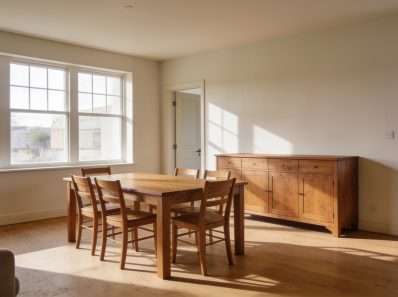
The Hartley family of Nottinghamshire spent a year swapping out a houseful of tired flat-pack furniture for solid oak, one room at a time. That’s the short version. The longer version, which is what this piece is actually about, is a lot more useful if you’re sitting there wondering whether solid oak is worth the money and what the whole thing actually looks like when it’s a real family with a dog and two teenagers rather than a glossy showroom. They started with sceptical measurements in the hallway. They finished with a dining room that now hosts Sunday lunch every week. Everything in between is where the good stuff is.
Table of Contents
- The Hartley Family: A Home in Need of Change
- Why They Treated It Like a Project, Not a Shopping Spree
- Room-by-Room Oak Furniture Transformation
- Living Room: From Cluttered to Characterful
- Dining Room: The Heart of the Renovation
- Bedroom: Investing in Quiet Quality
- What the Transformation Cost in Time, Not Just Money
- What They’d Tell You If You Asked
- Caring for Oak Furniture After the Renovation
- Frequently Asked Questions
The Hartley Family: A Home in Need of Change
Two parents, two teenagers, a 1990s semi, and a collection of flat-pack furniture that had quietly given up. That’s where the Hartleys started. Their old stuff, most of it built from kits over a decade ago, had begun to sag and chip and wobble in that maddening way where no amount of tightening screws does anything. And honestly, that’s how most of these projects begin. Not with one dramatic collapse, but with a slow drip of small annoyances until one day you just think, right, enough.
Their home was the kind of layout loads of British families will recognise instantly. A compact living room pulling double duty as lounge and homework battleground. A dining area that had somehow become a landing strip for post and school bags rather than anywhere you’d actually eat. Bedrooms furnished bit by bit over the years, whenever the budget allowed. Before they touched anything, they did the sensible thing that most of us skip. They measured every room, photographed the existing layout, and made a list of what genuinely needed replacing versus what could stay. Dull work. Absolutely essential.
Why They Treated It Like a Project, Not a Shopping Spree
The Hartleys ran their renovation like a structured project rather than a series of impulse buys, and that’s exactly why their story is worth learning from. Instead of blowing the lot in one chaotic weekend, they went room by room, starting with the space they used most and ending with the one they barely touched.
Solid oak was the deciding factor. And by solid oak I mean furniture actually made from oak timber, not veneered chipboard or MDF wearing an oak-effect costume. They’d had enough of stuff that looked convincing under showroom lighting and then fell apart the second real life happened to it. Oak Castle Furniture’s ranges gave them options to play with, the Paris Oak, London Oak, Heritage Oak, Barcelona Oak, and Manhattan Oak collections, while keeping the underlying material consistent from room to room. That consistency mattered to them. They didn’t want the finished house to look like a mood board of disconnected trends. They wanted it to feel like one home.
Before committing to anything, the parents spent an evening reading through the Oak Furniture Buying Guide for First-Time Homeowners, which they reckoned helped them figure out what questions to even ask about construction and finish. And this is the bit I’d underline for anyone. The research phase is unglamorous and nobody Instagrams it, but it’s probably the most transferable part of the whole story. Most decent oak transformations start with an hour of reading, not an hour of scrolling through sofas.
Room-by-Room Oak Furniture Transformation
They split the whole thing into three phases across roughly twelve months rather than doing it all in one disruptive go. Here’s a rough map of how each space changed, which collection style shaped the choices, and how long each phase took, including the settling-in period before they moved on.
| Room | Before | After | Collection Style Used | Approx. Timeframe |
|---|---|---|---|---|
| Living Room | Flat-pack TV unit, mismatched shelving | Solid oak TV unit and coffee table | Heritage Oak style | 6 weeks |
| Dining Room | Laminate table, mixed chairs | Solid oak dining table and matching chairs | Barcelona Oak style | 8 weeks |
| Main Bedroom | Chipboard wardrobe, veneered chest of drawers | Solid oak wardrobe and chest of drawers | Manhattan Oak style | 10 weeks |
| Hallway/Storage | No dedicated storage | Small oak sideboard | London Oak style | 4 weeks |
Those timeframes include the family actually living with each new piece for a few weeks before buying the next thing. They felt strongly about this, and I get why. It let them see how the oak held up under proper family use (teenagers, a dog, the general chaos of a Tuesday) before spending more.
Living Room: From Cluttered to Characterful
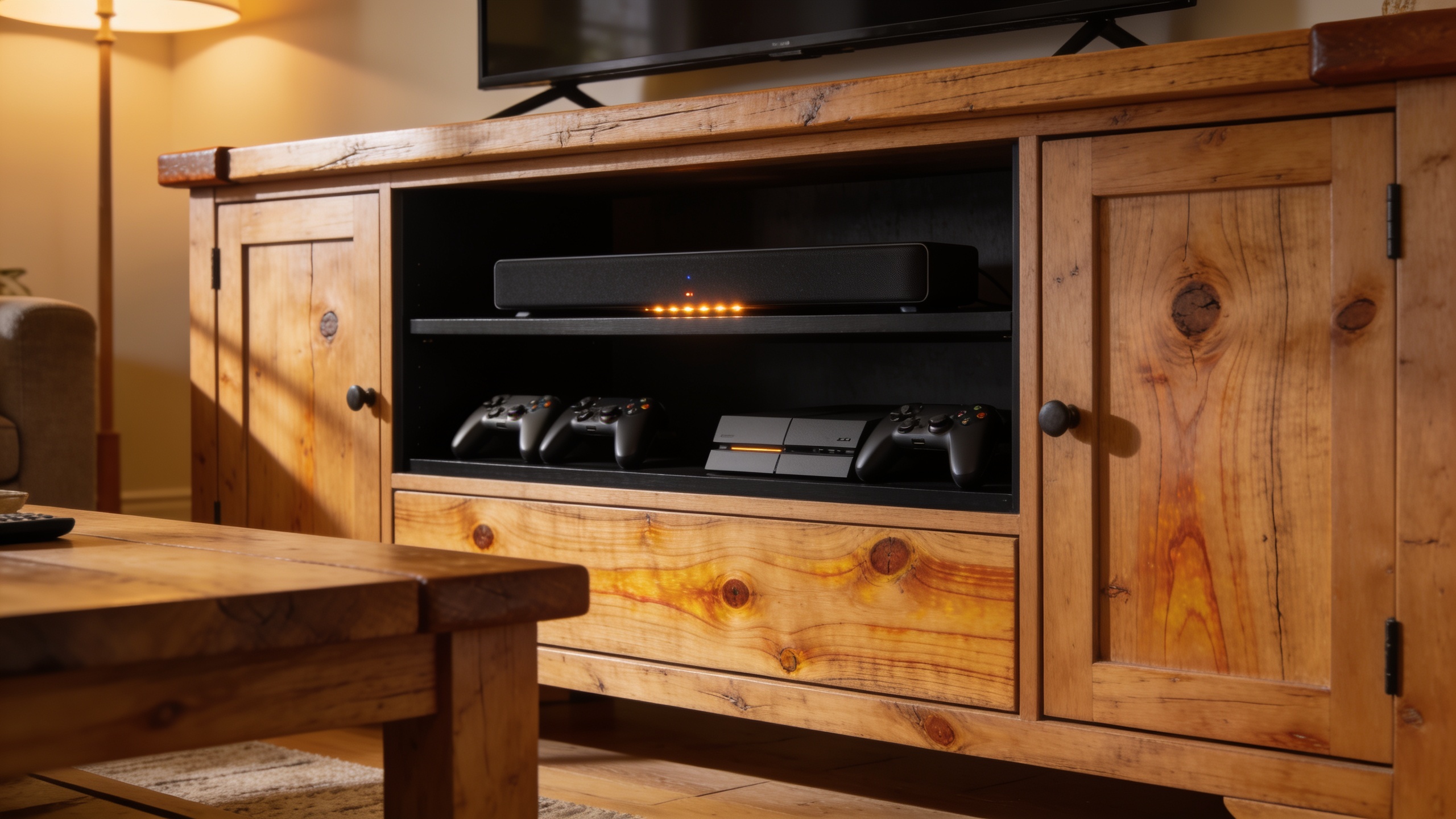
They started with the living room because it was the room they used every single evening, and it’s where the gap between flat-pack and solid oak showed up fastest. The old TV unit, a laminate-and-chipboard job bought years back, had a visible sag in the middle shelf from carrying a soundbar and a games console, and one of the cable doors had stopped closing altogether. You know the type.
Swapping it for a solid oak unit did more than they expected. The grain in real oak gave the room a warmth the old glossy, uniform surface never came close to, and the sturdier build meant it stopped flexing and creaking when the kids leaned on it grabbing for the remote. They also replaced a glass-topped coffee table, which had been a source of low-grade anxiety back when the children were smaller, with an oak one. The mum’s take: the oak felt far less precarious and far more forgiving of the everyday knocks that furniture in a family home just has to survive.
Dining Room: The Heart of the Renovation
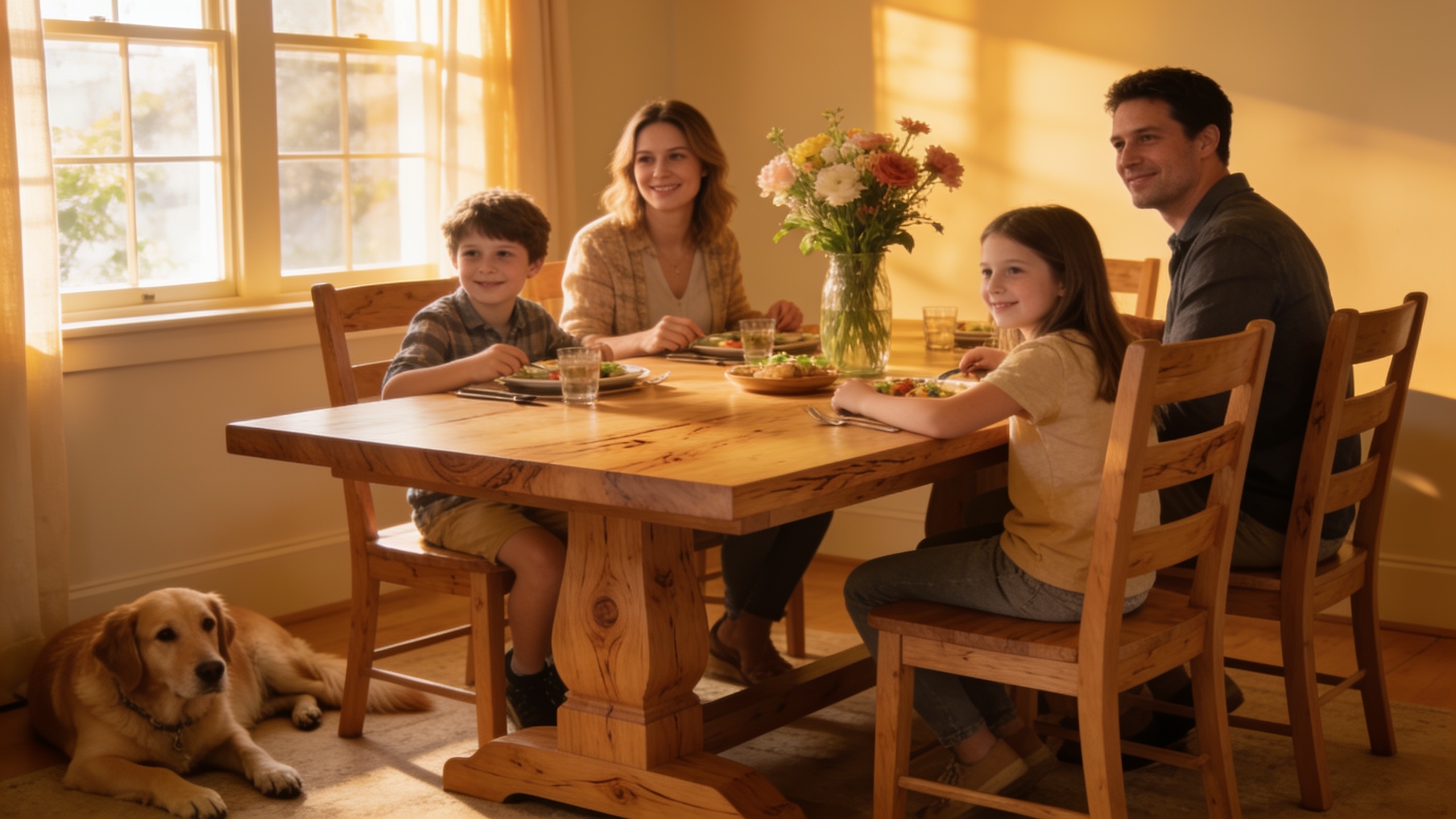
By the family’s own account, the dining room was the part that made the biggest emotional difference, because it changed how they actually used the space rather than just how it looked. Before, the table was a catch-all surface. Homework, post, coats, the lot. Nobody sat down to eat there, partly because the thing wobbled on uneven legs and, frankly, nobody wanted to spend time near it.
In came a solid oak dining table and matching chairs, styled after the Barcelona Oak collection, replacing the old laminate set. And the weight of it, the sheer stability, changed the room’s behaviour. It didn’t wobble when you leaned on it, so it stopped being a piece of furniture you had to be careful around and started being one you gathered at. Within a few weeks, proper family meals were back to being a regular thing rather than something reserved for when visitors turned up. That, to me, is the whole point of an oak transformation. It’s rarely just about looks. The physical solidity of the thing changed how confidently they used the room.
Bedroom: Investing in Quiet Quality
The main bedroom was the last phase and the priciest, and they left it until the end on purpose, once they’d watched how the oak in the more visible rooms had actually settled in and worn. The old wardrobe, chipboard with a wood-effect veneer, had started peeling at the corners and its doors no longer lined up after years of daily use. Classic veneer failure. Once that surface layer starts lifting, it’s game over.
They went with a solid oak wardrobe and matching chest of drawers in the Manhattan Oak style, choosing pieces meant to last for years rather than get chucked at the next house move. Bedroom furniture tends to be a longer haul than living room stuff (you keep it a decade or more, you don’t refresh it every couple of years) so they spent more time on this phase, cross-referencing sizes against their actual floor space instead of trusting showroom impressions. If you’re planning a similar overhaul, do the same thing they did with that Oak Furniture Buying Guide for First-Time Homeowners, especially the measuring-before-ordering bit. Oak is genuinely heavy. Returning and reordering a wardrobe is nobody’s idea of a good time.
What the Transformation Cost in Time, Not Just Money
The most honest lesson here isn’t about price. That varies wildly by collection and piece and I’m not going to guess at it. It’s about time and sequencing, which is a cost every family renovating a home actually has to plan around. The Hartleys’ twelve-month timeline wasn’t down to delivery delays or stock issues. It was a choice. They wanted to spread the financial and physical disruption of a full furniture overhaul across a year, room by room, rather than swallowing it whole.
That phased pace also gave them room to spot practical problems before they turned into expensive ones. When they repainted the dining room walls to warm them up against the new oak table, they brought in outside help for the decorating, since none of them had the time or the nerve to repaint neatly around brand-new furniture without risking a splash on a fresh tabletop. Anyone doing a combined furniture-and-decorating job over in the US would find something equivalent through a company like Minneapolis House Painting, which handles exactly this sort of interior painting around existing furnishings. It’s a decent reminder, actually, that a furniture transformation usually works best alongside a bit of modest decorating rather than in a vacuum.
What They’d Tell You If You Asked
Their biggest takeaway was that solid oak simply behaves differently under family life than the flat-pack it replaced, and you notice within weeks, not years. Doors that used to drift out of alignment after a few months stayed true. Surfaces that used to show every water ring from a mug now needed a wipe and, now and then, a proper polish. That’s it.
The second thing was patience with the buying process. They never ordered a whole house of furniture in one sitting. They lived with each piece, checked it against real life (homework spills, a dog’s wagging tail near the table legs, teenagers slouching on new units) before deciding whether the next room should follow the same collection or a complementary one. Honestly, that’s a far more realistic model than the single dramatic “reveal” you see all over renovation content, and it’s the one I’d point anyone towards.
The third lesson, and maybe the most practical, was that solid oak does need a small bit of ongoing care, but it’s genuinely easy rather than time-consuming. They started following guidance along the lines of Oak Furniture Care: How to Keep Solid Oak Looking Good for Decades after noticing the dining table had gone slightly dull after a few months of heavy use. Not a fault. Just what happens when a table gets used a lot, and it’s sorted easily enough with proper cleaning and the odd bit of oiling or waxing to suit the finish.
Caring for Oak Furniture After the Renovation
Solid oak needs simple, regular care rather than any intensive faff, and getting that right is exactly what lets pieces like the Hartleys’ table and wardrobe end up as family heirlooms instead of another disposable purchase. Real oak, unlike veneer, can be looked after for years precisely because the material itself is solid timber all the way through. So minor surface wear doesn’t suddenly expose chipboard underneath the way it does on the cheap stuff.
The basics are worth spelling out rather than assuming everyone knows them. Keep oak away from radiators and out of long stretches of direct sunlight, because sustained heat and light can affect it over time. Wipe up spills promptly instead of letting liquid sit. And use coasters or mats for hot dishes and drinks, especially on a dining table that’s getting daily use. Beyond that, a bit of periodic cleaning and conditioning to match the piece’s finish keeps the grain and colour looking their best. The Hartleys’ own experience, spotting the dullness after a few months and then restoring the finish with proper care, is a nice realistic example for anyone who assumes solid oak needs zero attention. It needs very little. But not nothing.
Frequently Asked Questions
So how long did the whole thing actually take?
Roughly twelve months, tackled room by room rather than all at once. They started with the living room, moved to the dining room, and finished with the main bedroom and the hallway storage.
Why go for solid oak instead of flat-pack or veneer?
Their old chipboard-and-veneer furniture had started sagging, peeling, and drifting out of alignment after a few years of daily family use. Solid oak, being genuine timber throughout rather than a wood-effect skin over composite board, gave them the sturdier build and longevity they were after.
Did they use the same oak collection everywhere?
Nope. Different rooms got different Oak Castle Furniture styles: Heritage Oak in the living room, Barcelona Oak in the dining room, Manhattan Oak in the bedroom, London Oak in the hallway. But they kept the underlying solid oak consistent so the whole house still felt of a piece.
Is solid oak a pain to maintain?
Not at all, though it isn’t quite zero-effort either. Keep it away from direct heat and sunlight, wipe spills promptly, use coasters for hot things, and give it the occasional conditioning to suit the finish. That’s generally enough to keep it looking good for years, as covered in guidance on looking after solid oak long term.
What’s the one lesson worth stealing from all this?
Sequencing and patience matter as much as the furniture. The Hartleys’ phased, room-by-room approach let them see how each oak piece held up under real daily use before spending more, which cut the risk of costly mistakes and kept the whole renovation feeling manageable instead of overwhelming.
The Hartleys’ home didn’t transform overnight, and that’s kind of the whole point of telling their story. A real oak furniture transformation tends to happen gradually, room by room, decision by decision, with each piece earning its keep through daily use rather than one big reveal. And for families thinking about the same journey, what their experience really suggests is that the payoff isn’t just a better-looking home. It’s rooms that finally get used the way they were always meant to be.