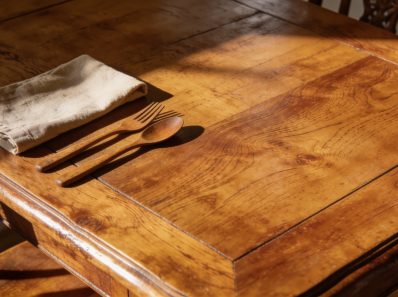
Choosing the right wood for your furniture can feel overwhelming, especially when you’re faced with a seemingly endless list of options at your local showroom or timber yard. The good news is that once you understand the basics, making an informed decision becomes much simpler.
Whether you’re furnishing a new home, replacing a tired dining table, or investing in a wardrobe built to last generations, understanding the different types of wood for furniture is the essential first step. Not all wood is created equal. Some varieties offer incredible durability, others bring natural beauty, and some strike the perfect balance between affordability and quality.
In this guide, we’ve broken down the most popular and widely available wood types you’ll find across the UK market. From hardwoods like oak and walnut to softwoods like pine, you’ll discover the key characteristics of each, their practical uses, and what to look for when buying. By the end, you’ll have the confidence to walk into any furniture shop and know exactly what questions to ask and which wood suits your needs best.
Hardwood vs. Softwood: What Is the Difference?
Before choosing any piece of solid wood furniture, it helps to understand the fundamental distinction that shapes every buying decision: the difference between hardwood and softwood. Surprisingly, these terms have nothing to do with how physically hard or soft the timber actually feels. The classification is entirely biological. Hardwoods come from deciduous, broadleaved trees such as oak, walnut, ash, and beech, which typically shed their leaves each autumn. Softwoods come from coniferous, evergreen trees such as pine, spruce, and fir, whose seeds are not enclosed within a fruit. As a useful illustration of why the label is biological rather than literal, balsa wood is technically classified as a hardwood despite being famously light and easy to compress.
That said, the biological difference does produce real and meaningful physical consequences. Hardwood trees grow more slowly, and this gradual growth produces a denser, more complex cell structure. The result is timber that is significantly more resistant to dents and scratches, carries a longer usable lifespan, and displays the kind of rich, characterful grain patterns that define quality furniture. This is precisely why hardwoods dominate the premium furniture market. A solid oak dining table or a walnut sideboard is built to withstand decades of daily use, making it a genuinely long-term investment for your home. You can read more about how hardwood and softwood differ for furniture making to understand how species-level characteristics influence finished pieces.
Softwoods, however, are far from a poor choice across every application. Pine, in particular, has a long and respected history in furniture making, especially for rustic, country-style, and painted pieces where an open grain and lighter colour work in the timber’s favour. Softwoods are more affordable, lighter in weight, and easier to work with, making them a practical option for buyers with a tighter budget or a preference for a more relaxed aesthetic. For a broader overview of how the two categories compare in real applications, this guide to hardwood vs. softwood differences provides useful context.
One point worth clarifying early is that both hardwood and softwood qualify as genuine solid wood. This matters because the furniture market also contains a significant volume of engineered alternatives, including MDF (medium-density fibreboard) and veneered board, where only a thin layer of real wood sits over a manufactured core. Solid wood, whether hard or soft, is categorically different from these products in terms of durability, repairability, and long-term value.
This guide focuses specifically on the wood species most relevant to UK home furniture buyers in 2026, covering the hardwoods and softwoods you are most likely to encounter when shopping for sideboards, dining tables, bedroom furniture, and living room pieces.
Oak
Of all the timber species available to UK furniture buyers, oak stands apart as the undisputed benchmark. Its defining characteristics are immediately recognisable: prominent, sweeping grain patterns, warm honey tones that shift towards rich amber as the wood matures, and an exceptional hardness and density that make it highly resistant to everyday wear. European oak (Quercus robur) registers around 1,120 lbf on the Janka hardness scale, meaning it shrugs off the dents, scratches, and surface marks that softer timbers accumulate over time. For households with children, pets, or simply heavy daily use, this natural toughness is a practical asset that goes far beyond aesthetics.
European oak carries centuries of history inside British homes. From the grand furniture of 17th-century manor houses through to the clean-lined pieces found in contemporary interiors today, it has proven its versatility across every era of design. That longevity is not merely a historical footnote; it reflects a material that genuinely ages beautifully, developing a warm patina over time as the wood interacts with light, handling, and its surrounding environment. Far from looking tired with age, solid oak furniture looks progressively better, complementing both period-style settings and modern, paired-back interiors with equal confidence. You can explore the advantages of oak wood furniture for your home in detail to understand why this timber continues to be the first choice for discerning buyers.
Structurally, oak is versatile enough to perform superbly across the widest range of furniture types. Its density makes it ideal for pieces that must bear sustained weight or endure repeated use: sideboards, dining tables, TV units, bookcases, wardrobes, and chest of drawers all benefit enormously from the stability that solid oak provides. This is precisely why Oak Castle Furniture builds its core range around solid oak, and backs selected pieces with a 5-year structural guarantee. That guarantee is not a marketing flourish; it is a direct reflection of the timber’s inherent longevity when properly crafted by skilled hands. You can read more about why solid oak furniture is worth choosing for your home.
One characteristic that beginners sometimes misunderstand is natural variation in oak. Grain patterns shift, mineral streaks appear, and subtle colour differences exist between boards, meaning no two pieces of solid oak furniture are ever identical. This is a feature, not a flaw. It gives each item a genuine individual character that factory-produced veneered alternatives simply cannot replicate. A veneer applies a thin decorative layer of wood over an engineered substrate; solid oak runs true all the way through, meaning it can be sanded, refinished, and restored over decades of use rather than replaced. For anyone investing in furniture intended to last a generation, that distinction matters enormously.
Walnut
Walnut occupies a distinct and prestigious position in the world of solid wood furniture. Its visual identity is immediately compelling: rich chocolate-brown tones ranging from warm medium brown through to deep, almost smoky darkness, underpinned by a fine, straight grain that reads as inherently sophisticated. Where oak projects a traditional, characterful warmth, walnut delivers something altogether more contemporary and considered. The smooth, lustrous surface finish that walnut naturally achieves makes it a particularly strong choice for buyers seeking a premium aesthetic without relying on surface treatments to carry the look.
As a statement timber, walnut performs best in settings where its depth of tone can take centre stage. Dining furniture and living room pieces are ideal applications; a walnut dining table anchors a room with quiet authority, while walnut sideboards and occasional tables introduce a richer, bolder note into living spaces that lighter woods cannot replicate. This is precisely why walnut furniture commands a growing share of the residential market, with residential applications accounting for 54.2% of global walnut furniture revenue, a figure that underscores its dominance as a domestic, home-focused timber.
When comparing walnut to oak on durability, both are classified as hardwoods, but there is a meaningful difference in density. Oak carries a Janka hardness rating of approximately 1,120 lbf; American Black Walnut sits closer to 1,010 lbf. In practical terms, this means walnut is more susceptible to surface marking under heavy or repeated impact, making it better suited to lower-traffic pieces such as bedroom furniture, sideboards, and bookcases rather than high-use dining chairs or kitchen tables where daily wear is intensive.
On the trend front, walnut is firmly relevant in 2026. The European walnut furniture market is forecast to grow at a CAGR of 11.2% from 2026 to 2033, driven by demand for luxury interiors and the growing appetite for warmer, richer interior palettes among UK and European buyers. Interior design commentary consistently positions walnut alongside white oak as one of the two dominant wood finishes shaping purchase decisions this year.
Budget is the final consideration worth addressing honestly. Walnut trees require at least 20 years of maturity before harvest, a slower growth cycle than oak, and available supply remains comparatively limited. This directly translates into a higher price point at retail; walnut furniture sits firmly in the mid-to-high-end segment of the market. For buyers weighing options, that premium reflects genuine material scarcity rather than simply brand positioning, and it is a factor worth building into any purchase decision from the outset.
Ash
Ash is a timber that often surprises buyers encountering it for the first time. Its heartwood ranges from light to medium brown, while the wide sapwood runs from creamy beige to pale tan, with little sharp contrast between the two zones. The result is a clean, light-toned surface with a pronounced, open grain that creates a bold visual rhythm without feeling heavy or imposing. This combination of pale tones and graphic grain structure makes ash a natural fit for Scandi-inspired and minimalist interiors, where the emphasis is on calm, uncluttered spaces and materials that carry quiet character rather than dominance.
What makes ash particularly compelling as a furniture timber is its strength-to-weight ratio. With a Janka hardness rating of 1,320 lbf and a specific gravity of 0.67, ash is genuinely tough without carrying the heft of denser hardwoods. It absorbs shock exceptionally well and responds to steam bending with ease, which is precisely why it has historically been the standard choice for tool handles and sports equipment. For furniture applications, these properties translate directly into dining chairs and bedroom pieces where flexibility under load is a practical advantage. A solid ash dining chair, for example, can withstand repeated stress across joints and legs in a way that more brittle timbers cannot. For more detail on the technical properties of this species, this overview of ash wood properties from W.L West and Sons is a useful starting point.
Ash is also an exceptionally versatile canvas when it comes to finishing. Its open, ring-porous grain holds pigment well and responds predictably to both staining and oiling, making it straightforward to shift away from its natural pale tone if a warmer or darker look is preferred. Cerused and limed finishes work particularly well on ash, as they emphasise the natural pore pattern rather than obscuring it. Buyers who want a light hardwood but with more tonal warmth than the raw timber provides will find ash accommodating and reliable across a range of finish types.
One important factor to weigh when considering ash is its current availability. Ash dieback disease, caused by the fungal pathogen Hymenoscyphus fraxineus, has placed significant and ongoing pressure on European ash supply. Combined with the impact of the emerald ash borer in North America, these dual threats have pushed a number of furniture manufacturers toward oak and other alternatives in recent years. This does not mean ash has disappeared from the market, but buyers should be aware that supply consistency is less certain than it once was.
For anyone drawn to a lighter-toned hardwood, ash remains a strong secondary choice and one that serious woodworkers often prefer for specific applications. That said, if long-term availability and a consistent supply chain are priorities, white oak offers a broadly comparable aesthetic with greater commercial reliability, making it a sensible alternative worth exploring.
Pine
Pine is the most common softwood used in furniture making, and it earns that status for good reason. It is widely available across the UK, affordably priced compared to hardwoods like oak or walnut, and carries a distinctive knotty character that lends itself naturally to rustic, farmhouse, and country-style interiors. Its warm tones and visible grain imperfections are not flaws to be hidden; for the right aesthetic, they are precisely the point. Pine also accepts paint, stain, and sealers readily when properly dried, making it a versatile choice for those who want a solid wood piece finished in a specific colour.
That said, honesty matters here. Pine is a softwood in the practical sense as well as the botanical one. It dents and scratches more readily than oak or walnut, and it carries a greater susceptibility to warping if exposed to moisture or humidity fluctuations over time. High-traffic horizontal surfaces, such as dining tables, large sideboards, or heavily used TV units, are where pine’s limitations become most apparent. For surfaces that take daily punishment, the advantages and disadvantages of pine versus hardwood are difficult to ignore.
Pine performs at its best when it will be painted or when a deliberately rustic, lived-in look is the goal. Painted pine furniture conceals knots and grain variation, while a well-applied sealant or wax finish can improve surface resilience meaningfully. The full picture of pine as a furniture wood confirms that preparation quality and finish type significantly influence how well pine holds up over years of use.
On lifespan, pine furniture that is properly cared for can last many years, but it rarely achieves the multi-generational durability associated with quality solid oak. Oak resists warping, denting, and daily wear far more reliably, and a well-made oak piece can outlast several generations of owners. Pine sits firmly in the moderate durability category by comparison.
For budget-conscious buyers, children’s bedroom furniture, or occasional storage pieces, pine remains a sensible solid wood choice. It offers genuine solid wood construction at an accessible price point, making it a far more considered option than MDF or particleboard alternatives.
Beech
Beech is a pale, fine-grained hardwood that sits firmly in the durable end of the timber spectrum. Its colouring ranges from creamy white to a light pinkish-brown, and its texture is notably smooth and uniform throughout. What sets beech apart structurally is its high density; it is a genuinely hard-wearing timber that resists impact and wear well over time. Unlike the more open-grained hardwoods, beech has a tight, straight grain that gives cut surfaces a clean, almost clinical consistency. This density and workability make it a reliable choice wherever strength and precision are the primary requirements.
In terms of where you will actually find beech used in furniture, the answer is predominantly in the supporting cast rather than the lead role. Chair frames, internal structural components, workshop benches, and upholstered furniture frames represent its most common applications. Manufacturers favour beech in these contexts because it performs excellently under load and machines cleanly, allowing for precise joinery and consistent results across production runs. You can explore the pros, cons, and key differences of beech and oak in detail if you want a fuller technical picture of where each timber genuinely excels.
The trade-off for beech’s structural reliability is a lack of visual drama. Its grain is subtle and uniform, which means it rarely features as a showcase timber in statement furniture pieces. Compared to oak, with its sweeping grain patterns and medullary rays, or walnut, with its rich chocolate tones, beech simply does not have the decorative character to carry a sideboard front or a dining table top as a feature in its own right.
Where beech genuinely earns its place in furniture design, however, is as a substrate for painted finishes. Its tight grain means that paint and stain sit evenly across the surface without the grain interference that a more characterful timber can introduce. This is precisely why beech appears heavily in painted bedroom and living room furniture ranges, where the timber itself is not the visual story. The finish is, and beech provides an ideal, consistent base for it.
For buyers comparing beech directly to oak, the distinction is straightforward. Both are durable hardwoods that will serve you well over years of daily use. However, as beech vs oak comparisons for industrial and furniture use confirm, oak is denser, naturally more resistant to moisture, and carries a grain heritage that makes it the stronger choice for visible, investment-grade furniture. If you are choosing a piece intended to be admired as well as used, such as a solid oak sideboard or a dining table that will anchor a room for decades, oak is the more rewarding timber to invest in.
Smoked Oak and White Oak Explained
When browsing furniture ranges, many buyers assume that “smoked oak” and “white oak” refer to distinct species of tree, different in the same way that oak and walnut are different. This is a common misconception worth clearing up early. Both smoked oak and white oak finishes are treatments applied to oak timber, typically European or American oak, rather than separate wood species. The underlying material is the same character-rich, grain-forward hardwood covered earlier in this guide. What changes is the surface treatment and, with it, the entire visual personality of the piece.
Smoked oak is produced through a process called ammonia fuming. The oak is placed in an enclosed space and exposed to ammonia fumes, which react chemically with the tannins naturally present within the wood fibres. Because this reaction works its way into the timber rather than sitting on the surface like a conventional stain, the result is a deeply even, grey-brown tone that penetrates the grain rather than masking it. The original oak grain pattern remains fully visible, but the palette shifts from warm golden tones to something cooler, darker, and more considered. This quality makes smoked oak particularly well-suited to contemporary interiors. For a detailed look at the fuming technique itself, this demonstration of ammonia fuming on oak illustrates how the process works in practice, while the woodworking discussion on ammonia fumed oak explains how exposure time controls the final shade.
White oak finish, as used in a retail context, describes a different kind of treatment altogether. It typically involves a light bleaching, whitewashing, or liming process that enhances the naturally pale, open grain of oak timber. The effect brightens the wood without obscuring it, producing a clean, airy appearance well-suited to Scandi-influenced or coastal interior schemes.
Both finishes are firmly on trend in 2026. Across the UK, white oak and smoked oak have become among the most sought-after wood finishes this year, reflecting a clear move away from the traditional honey-golden oak tones that defined interiors for much of the previous decade. Buyers are gravitating towards cooler, more characterful palettes, and these two finishes sit at the centre of that shift.
Crucially, choosing either finish does not mean compromising on the structural qualities that make oak such a dependable choice. The ammonia fuming process alters colour, not composition, and limed or whitewashed finishes work with the surface rather than weakening it. Whether you opt for a smoked oak sideboard or a white oak dining table, you are still investing in the same durable, long-lasting hardwood, with all the strength and longevity that solid oak is known for.
Solid Wood vs. MDF and Veneered Furniture
When shopping for furniture, you will frequently encounter three distinct material categories: solid wood, MDF, and veneered furniture. Understanding what separates them is one of the most practical pieces of knowledge any buyer can carry.
MDF (medium-density fibreboard) is an engineered wood product made by compressing wood fibres and resin under heat and pressure. The result is a dense, uniform panel that has no natural grain, no knots, and no character of its own. Veneered furniture takes this a step further by bonding a thin layer of real wood, sometimes as little as 0.5mm thick, over an MDF or chipboard core. The surface looks like genuine timber; the structure beneath it is not.
The Honest Case for MDF and Veneer
It would be misleading to dismiss these materials entirely. MDF and veneer do offer real advantages in certain contexts. They are cheaper to manufacture, which makes them accessible at lower price points. MDF cores are dimensionally consistent and less prone to the natural movement that solid timber undergoes with seasonal humidity changes. Veneered pieces can also look genuinely impressive when new; a well-applied veneer over a quality substrate can carry convincing grain patterns and a polished finish that is difficult to distinguish from solid wood at a glance. For buyers on a tight budget who need a short-term solution, these materials serve a purpose.
Why Solid Wood Holds the Advantage Over Time
The limitations of MDF and veneer tend to reveal themselves gradually. A veneered surface, particularly one applied over MDF with a thin layer, has almost no tolerance for repair. Light scratches may breach the veneer entirely, exposing the engineered core beneath. Once a veneered surface delaminates, chips, or swells due to moisture, restoring it without specialist intervention is rarely practical. MDF also holds fixings poorly; screws and bolts can strip or work loose over years of normal use, weakening the overall structure of the piece.
Solid wood behaves entirely differently. A scratched or dented solid oak surface can be sanded back and refinished because the same material runs throughout the entire piece. It holds fixings securely over decades, and it does not delaminate or swell in the same way veneered MDF does when exposed to everyday humidity.
This repairability gap is arguably the single most important practical distinction for anyone buying furniture intended to last. It shifts the question from upfront cost to total cost of ownership across ten, fifteen, or twenty years of use.
That confidence in the material is something Oak Castle Furniture reflects directly in its product offering. Selected solid oak pieces carry a 5-year structural guarantee, a commitment that is only possible because the material itself justifies it. A retailer cannot offer that kind of warranty on furniture built around engineered board. When you see that guarantee attached to a piece, it is a clear signal that the timber, and the construction around it, has been chosen with longevity in mind.
Which Wood Is Best for Each Type of Furniture?
Choosing the right timber species becomes considerably more practical when you match the wood to the specific demands of each furniture type. Different pieces face different stresses, different environments, and different aesthetic expectations. Here is a clear guide to the best wood for each category.
Dining Tables and Kitchen Tables
Solid oak is the strongest recommendation for dining and kitchen tables, and the reasoning is straightforward. Oak is exceptionally dense, giving it a natural resistance to the daily punishment these surfaces absorb: heat from plates and dishes, moisture from spills, and the constant friction of everyday family life across decades of use. Its Janka hardness rating places it firmly in the upper tier of practical furniture timbers, meaning it resists dents and scratches far better than softer alternatives. Walnut is the premium choice for buyers who prefer a darker, moodier aesthetic; its rich chocolate-brown tones create a striking focal point, and it pairs naturally with materials like marble, stone, and brushed metal. For most households, though, oak delivers the better long-term value at a more accessible price point.
Sideboards
Oak is the ideal timber for sideboards, primarily because these pieces carry a dual burden: they must support the weight of displayed items on top while housing internal storage without the frame shifting or bowing over time. Oak’s structural density handles both demands comfortably. Beyond its practical strength, oak’s distinctive grain character gives sideboards a visual presence that works equally well as a focal point in a living room or dining room. A solid oak sideboard is not simply a storage solution; it becomes a defining piece in the room’s overall scheme.
TV Units
Oak leads again for TV units, where stability and weight-bearing capacity are the priorities. A TV unit carries not only the television itself but also media equipment, cables, and often decorative objects. Oak handles this without flex or stress. Painted oak and white oak finishes are increasingly popular choices for living rooms with a contemporary aesthetic, offering the structural reliability of solid oak in a lighter, cooler visual finish.
Bookcases
Hardwoods including oak and ash are strongly preferred for bookcases. Shelving under sustained weight will bow over time if the timber lacks sufficient density, and pine in particular is vulnerable to this. Pine is acceptable for lighter decorative shelving, but it will show wear, dents, and surface marks far more readily than a hardwood equivalent.
Wardrobes and Chest of Drawers
Oak sets the benchmark for bedroom furniture. Its longevity, capacity for a smooth finish, and compatibility with both natural wood stains and painted finishes make it exceptionally versatile. Painted furniture ranges frequently use oak or beech as the base timber, both of which hold paint well and provide the structural integrity that wardrobes and chest of drawers require over years of daily use.
Coffee Tables and Nests of Tables
Oak remains a reliable choice here, but the lower-impact demands of a coffee table open the door to alternatives. Walnut, with its atmospheric depth of colour, is an excellent option if the goal is to create a statement piece in the living room. Ash is worth considering too, offering comparable hardness to oak with a lighter, more neutral grain that suits contemporary interiors well.
Sustainability and Responsible Timber Sourcing
Sustainability has moved from a niche concern to a mainstream purchase driver, and in 2026 it is shaping how buyers research and select solid wood furniture more than ever before. The global solid wood furniture market is projected to grow at a significant rate through to 2033, and with that rapid expansion comes far greater scrutiny of supply chains. Consumers, particularly younger buyers, are increasingly unwilling to take sourcing claims at face value. They want transparency, traceability, and proof that the timber in their furniture has been harvested responsibly. Understanding the credentials that underpin responsible sourcing is now an essential part of making an informed purchase.
FSC Certification: What It Means in Practice
The most widely recognised certification to look for when buying solid wood furniture is the FSC mark, awarded by the Forest Stewardship Council. FSC certification means that the timber used in a product has been sourced from a forest managed to rigorous environmental and social standards, and that every link in the supply chain from forest to finished product has been independently audited. In practical terms, when you see the FSC label on a piece of furniture, you can be confident that the wood was not harvested through destructive logging practices. You can verify any FSC claim independently using the FSC Claims Check tool. PEFC (Programme for the Endorsement of Forest Certification) is an additional scheme worth recognising, offering a similarly robust framework for responsible timber sourcing.
Solid Wood Versus Engineered Alternatives
From an environmental standpoint, solid wood from a certified, responsibly managed forest holds a meaningful advantage over engineered alternatives such as MDF and chipboard. Solid wood is renewable and fully biodegradable at the end of its life. MDF and chipboard, by contrast, are manufactured using resins and adhesives, including formaldehyde-based binders, that complicate biodegradation and end-of-life disposal. These materials may also release VOCs over time in the home environment. For buyers with environmental considerations at the front of their minds, the material composition of their furniture matters well beyond the showroom.
Longevity as a Sustainability Statement
There is a compelling sustainability argument embedded in solid wood furniture that is easy to overlook: buying once, buying well, and keeping a piece for decades is inherently more sustainable than replacing lower-quality furniture every few years. A well-constructed solid oak sideboard or dining table can last a generation and can be repaired, refinished, or repurposed rather than sent to landfill. Cheap veneer-based alternatives typically have a functional lifespan of two to five years before degradation sets in. Fewer replacements translate directly to lower lifetime environmental impact.
When purchasing any solid wood piece, ask the retailer directly where the timber was sourced, whether it carries FSC or PEFC certification, and whether the finishes used are low-VOC. Responsible retailers will answer these questions clearly and confidently.
How to Care for Solid Wood Furniture
Solid oak is a natural material, and like all natural wood, it responds to the environment around it. Humidity and temperature fluctuations cause wood fibres to expand and contract over time, and while oak handles this better than most timbers, the cumulative effect of poor placement can lead to warping, cracking, or loose joints. Keeping solid wood furniture away from direct heat sources is one of the most impactful steps you can take. Radiators, wood burners, and heat vents all draw moisture out of the surrounding air, and any furniture positioned close to them will dry out and move excessively as a result. Aim to maintain indoor humidity between roughly 45% and 65%, and consider positioning pieces away from south-facing windows where sustained direct sunlight can bleach the finish and dry out the grain.
Routine Cleaning and Periodic Treatment
For everyday maintenance, dusting at least once a week with a soft, dry microfibre or lint-free cloth is sufficient to prevent the gradual surface abrasion that dusty build-up causes over time. Always follow the direction of the grain when wiping. Beyond routine dusting, treating the surface periodically with a quality furniture wax or oil keeps the wood nourished and prevents it from drying out. Oil finishes penetrate the grain and maintain the wood’s natural flexibility, while wax sits on the surface and adds scratch and moisture resistance. A wax can be applied over an oil finish, but this order should not be reversed.
Dealing with Scratches and Painted Finishes
Light surface scratches on natural oak can often be minimised without professional intervention. Rubbing gently along the grain direction with a fine-grade wire wool, then re-oiling the area, typically blends minor marks back into the surrounding surface. Dedicated oak repair products are also available for more visible damage, and these should always be applied following the manufacturer’s guidance.
Painted finishes on oak or beech bases require a noticeably gentler approach. The painted surface is more vulnerable to abrasive cleaning and chemical products than a natural oil or wax finish. Harsh chemical cleaners and solvent-based sprays risk stripping the paint layer entirely. For everyday cleaning of painted furniture, a lightly damp cloth with a small amount of mild soap is entirely sufficient and will not compromise the finish with regular use.
The long-term reward for consistent care is considerable. Well-maintained solid oak furniture does not simply survive for decades; it genuinely improves in character as the patina deepens with age. Many pieces become functional heirlooms passed between generations, making the upfront cost far more economical than repeatedly replacing lower-quality alternatives that deteriorate within a few years.
Choosing the Right Wood for Your Home
The decision framework you have built through this guide reduces to three practical rules. Match your wood type to the demands of the piece; choose hardwoods for dining tables, sideboards, wardrobes, and any furniture that faces daily use, and reserve softwoods for lower-traffic contexts where budget or a specific rustic aesthetic genuinely justifies the trade-off. Always prioritise solid wood over MDF or veneered alternatives, where long-term value, repairability, and structural integrity matter far more than an attractive short-term price point. And treat timber type, craftsmanship, and sourcing credentials as non-negotiable criteria in every purchase decision.
Of all the species covered in this guide, oak remains the most versatile and dependable choice for UK homes. It performs reliably across every furniture category, ages with genuine character rather than simply wearing out, and is now available in a broadening range of finishes, including smoked oak and white oak, that suit both contemporary and traditional interiors. Walnut and ash carry real merit for buyers with specific aesthetic goals; walnut rewards those drawn to darker, more dramatic tones, while ash suits minimalist or lighter schemes. For most buyers, however, oak offers the most balanced combination of durability, availability, and long-term value.
If you are ready to shop with confidence, explore Oak Castle Furniture’s range of solid oak sideboards, dining tables, TV units, wardrobes, and bedroom furniture, all backed by a 5-year structural guarantee. You now have the knowledge to choose well.
Conclusion
Choosing the right wood for your furniture does not need to be a stressful experience. By understanding the core differences between hardwoods and softwoods, recognising which species suit specific rooms and uses, and knowing what quality indicators to look for, you are already ahead of most buyers walking into a showroom.
The key takeaways are simple: hardwoods like oak and walnut offer longevity and timeless appeal; softwoods like pine provide affordability and versatility; and the best choice always depends on your budget, lifestyle, and the piece you are buying.
Now it is time to put that knowledge to work. Visit your local timber yard or furniture retailer with confidence, ask the right questions, and invest in pieces that will genuinely stand the test of time. Your home deserves furniture built to last.