
Standing in a furniture showroom for the first time is a strange sort of paralysis. There’s a solid oak table in front of you, another one that looks basically identical but costs half as much, and a sales assistant using words like “veneer” and “oak-effect” as if you’re supposed to know the difference. Meanwhile you’ve got a whole house of empty rooms and a budget that felt generous until about ten minutes ago.
I’ve walked people through this more times than I can count, and the good news is it’s genuinely not complicated once someone strips away the jargon. Solid oak furniture is a long-term thing, not a quick fix, so a bit of care at the start (measuring properly, knowing what you’re actually paying for, working out which rooms matter most right now) saves you a surprising amount of money and regret later. What follows is roughly the order most first-time buyers end up needing this stuff, so feel free to jump around.
Table of Contents
- Why Choose Oak Furniture for Beginners?
- How Much Should You Budget for Oak Furniture?
- Planning Your Rooms Before You Buy
- Choosing Your First Pieces: Where to Start
- Solid Oak vs Veneer vs Painted Oak: What’s the Difference?
- Caring for Your Oak Furniture From Day One
- Common Mistakes First-Time Buyers Make
- Frequently Asked Questions
Why Choose Oak Furniture for Beginners?
Oak is a smart pick for a first home because it’s tough, it goes with pretty much any decorating style, and it holds its looks far longer than composite or softwood alternatives. It’s a dense hardwood with that lovely distinctive grain, and when a piece is described as “solid oak,” it means it’s built from real oak timber all the way through, not a cheap base wrapped in a thin oak-effect skin.
That durability isn’t just a nice-to-have, it actually matters to your wallet. You’re far less likely to be replacing a solid oak dining table in five years than you would be with flat-pack chipboard, which has a habit of swelling, chipping, and going wobbly at the joints once real life happens to it. Oak Castle Furniture, based up in Nottingham, describes its handcrafted pieces as things built to last for generations, an investment in both style and quality rather than “flimsy furniture that needs constant replacing.” Bit of marketing spin, sure, but the underlying logic holds. A slightly higher upfront cost on a well-made piece is usually cancelled out by the replacement you never have to buy.
And oak really is versatile. The same solid oak sideboard can look right at home in a rustic farmhouse kitchen or a stripped-back modern living room, and the deciding factor is often just the hardware, the colour tone, and what’s around it. If you’re not sure how oak will sit alongside your existing style (or the one you’re aiming for), have a read of how to match oak furniture with different home decor styles before you fall for a particular collection. The finish alone, whether it’s natural, smoked, grey-washed, or painted, can completely change the feel of a room.
How Much Should You Budget for Oak Furniture?
There’s no single “right” number here, so don’t let anyone tell you there is. The sensible move for a first-time buyer is to set a total budget per room, then hand the biggest slice to the things you’ll actually use every day (dining table, bed frame, main storage unit) and keep the decorative bits on a smaller allowance. Oak spans a huge price range depending on collection, size, and finish, and budgeting room by room stops you doing the classic thing: blowing most of your money on the first piece you fall in love with and then scrimping on everything else.
My advice is to rank rooms by how urgently you need them rather than trying to furnish the whole place at once. Most people find that a bed frame, a dining table with somewhere to sit, and one main living room storage piece (a TV unit or sideboard) are the genuine non-negotiables for the first couple of months. Coffee tables, bookcases, extra chests of drawers? Those can wait until the budget recovers.
| Furnishing priority | Typical first purchase | Why it’s prioritised |
|---|---|---|
| Bedroom | Oak bed frame | Needed from day one; wardrobes and chests can follow |
| Dining area | Oak dining table + chairs | Central to daily life and entertaining |
| Living room | Oak TV unit or sideboard | Provides storage and a focal point early on |
| Storage | Chest of drawers | Can be phased in after essentials are covered |
| Occasional pieces | Coffee table, bookcase | Lowest urgency; add once core rooms are set |
When you’re comparing prices across collections, remember that the gaps usually come down to the oak grade, how it’s built (dovetail joints versus simpler fixings, say), and how fiddly the finish is, rather than pure brand markup. Honestly, the single most useful thing you can do is ask the retailer straight out what “solid oak” means for a specific piece. Is it solid oak throughout, or solid oak with plywood or MDF hiding round the back and underneath? It affects both price and how long the thing lasts, and any decent seller won’t dodge the question.
If budgeting and project-planning is a brand-new skill you’re picking up as a homeowner, it’s worth borrowing tricks from other fields. Digital marketing resources like Sukhweb publish beginner guides on planning and prioritisation that, while they’re aimed at online marketing, run on exactly the same logic of sequencing your spend by impact. That mindset transfers surprisingly well to furnishing a home in stages instead of all in one frantic go.
Planning Your Rooms Before You Buy
Room planning means measuring your space properly, accounting for doorways and staircases, and settling on a rough layout before you order anything. Not after. This one step heads off the most common (and most expensive) mistake first-timers make: ordering a gorgeous solid oak table that won’t fit through the front door, or that leaves no room to actually walk around it once it’s in.
Measuring for Delivery, Not Just for Fit
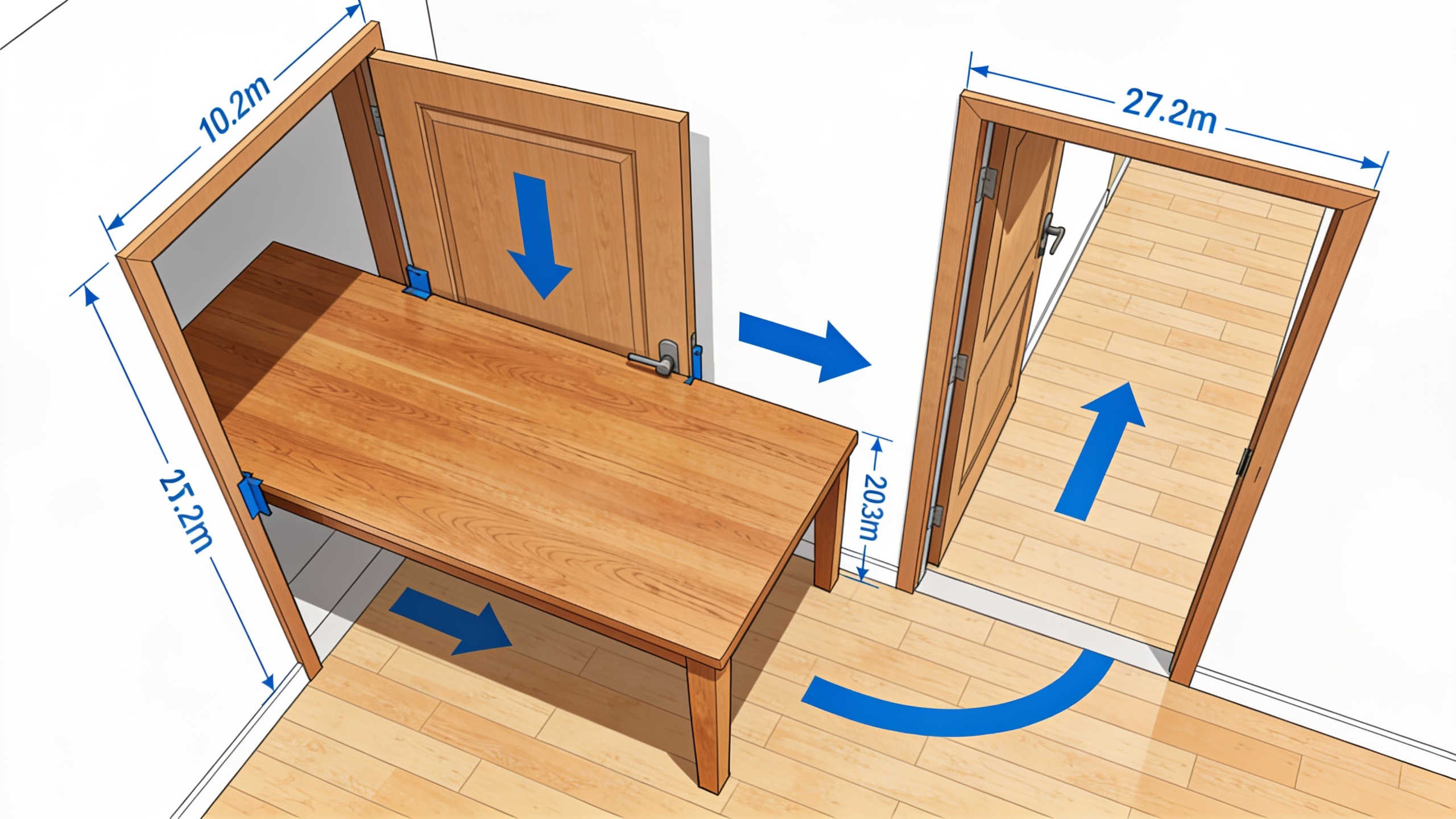
Solid oak is heavy, and it tends to turn up as big, awkward objects. A bed frame, a full wardrobe, a chunky dining table. So before you order, measure not just where the thing will sit, but every doorway, hallway turn, and staircase it has to survive on the way there. Loads of people skip this. They obsess over whether it “fits the room” and completely forget the question of whether it can physically be carried in.
While you’re thinking about what squeezes through your doorways, the doors and windows themselves are part of the same puzzle, especially if you’re doing up an older first home. People upgrading tired or badly-fitting doors often go to specialists like Windows Doors Depot Ltd, which lets you visualise projects and request quotes for windows, doors, and glazing. Handy if it turns out your dream dining table also means you need a wider doorway to get the thing in comfortably.
Thinking in Zones, Not Just Rooms
Instead of tackling a whole room at once, it helps to think in functional zones: the “eating zone” of a dining room, the “storage and display zone” of a living room, the “sleep and dressing zone” of a bedroom. It makes prioritising easier, and it forces you to be honest about whether a piece you’re eyeing actually solves a problem or just looks lovely on its own in the showroom.
Atmosphere counts for a lot too, particularly once the big investment pieces are down. A lot of first-time homeowners find that the finishing touches (soft lighting, a bit of scent, some texture) do more to make a room feel “done” than yet another piece of furniture ever would. Something as small as a hand-poured soy candle from a brand like Noir Glow Candles sitting on a sideboard or coffee table can warm up a freshly furnished oak living room without you having to spend big again.
Choosing Your First Pieces: Where to Start
The best first buys are the ones you use every single day: a bed, a dining table and chairs, and one flexible bit of storage like a sideboard or TV unit. These earn their keep faster than anything decorative, and they deserve top billing in the early days.
Bedroom: Bed Frames, Wardrobes, and Chests of Drawers
A solid oak bed frame is usually the anchor of a first bedroom, partly because you sleep in it every night and partly because it’s the biggest single thing in the room. Oak Castle Furniture’s range covers oak bed frames plus wardrobes and chests of drawers across collections like the Paris Oak, London Oak, and Manhattan Oak, so you’ve got a decent spread of tones from lighter natural oak through to darker, richer finishes. Wardrobes and chests can absolutely wait for a second wave if money’s tight. A freestanding rail or whatever storage you’ve already got will tide you over.
Dining Room: Tables, Chairs, and Sideboards
For a lot of people the dining table quietly becomes the hardest-working piece in the house. Meals, homework, laptop days, dinner with friends. That’s why it’s worth prioritising even when the budget’s stretched. Oak Castle Furniture’s dining lineup includes dining chairs and shaker-style sideboards designed to sit next to their oak tables, which means you can build up a matching set bit by bit rather than having to buy the lot in one hit.
Living Room: TV Units, Coffee Tables, and Storage
The living room is where your personality tends to show most, and oak TV units and coffee tables are a sensible starting point because they pull double duty: storage plus an obvious daily job. If you’re torn between a TV unit and a coffee table for your first purchase, just ask yourself which gap is annoying you most right now. A telly balanced on something too small and wobbly is usually the more urgent problem, so I’d fix that first.
Whatever you land on across these rooms, keep in mind that oak is meant to be a long-term fixture, and getting your head round the basic upkeep before the first delivery even arrives will help protect what you’ve spent. There’s more on that in our guide to keeping solid oak looking good for decades.
Solid Oak vs Veneer vs Painted Oak: What’s the Difference?
Solid oak is built entirely from oak timber. Oak veneer uses a thin layer of real oak bonded onto a cheaper base like MDF or plywood. Painted oak is usually a solid oak or oak-framed structure that’s been finished with paint rather than a natural stain. Three different price points, three different durability stories, three different looks, and you really do need to know which is which before you start comparing prices, because “oak furniture” gets used pretty loosely to cover all three.
| Type | Construction | Typical durability | Look | Best suited to |
|---|---|---|---|---|
| Solid oak | Oak timber throughout | Very high; can be sanded and refinished over decades | Natural grain visible on all surfaces | Long-term investment pieces: tables, beds, sideboards |
| Oak veneer | Thin oak layer over MDF/plywood core | Moderate; veneer can chip or peel if damaged | Looks like solid oak on visible surfaces | Budget-conscious buyers wanting the oak look |
| Painted oak | Solid oak or oak frame, painted finish | High, similar to solid oak structurally | Smooth, coloured finish (often white, grey, or sage) | Buyers wanting a lighter, more contemporary bedroom or hallway look |
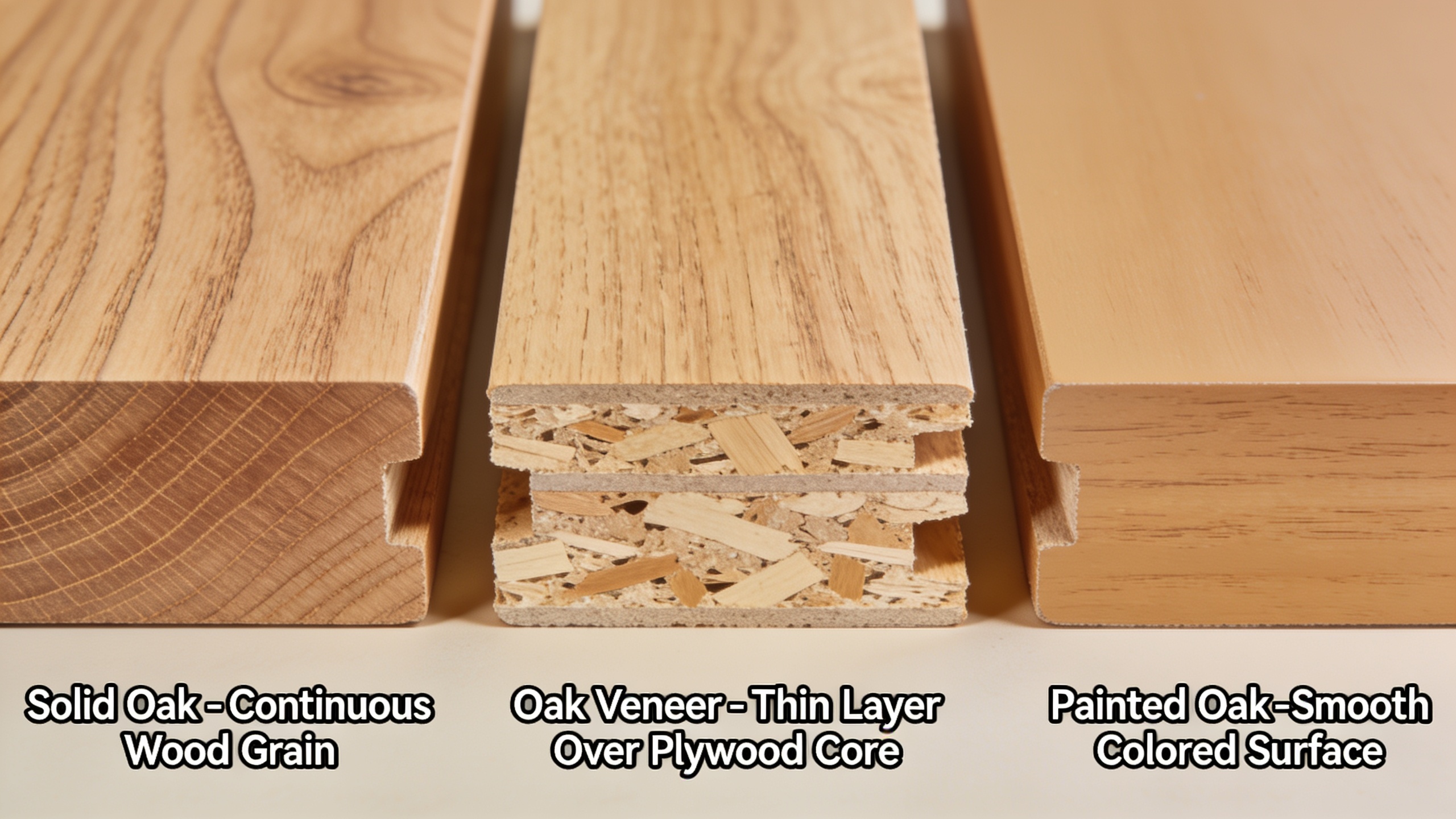
Oak Castle Furniture’s own range mirrors this split, with collections labelled “Oak Dining Room furniture” sitting right alongside “White Painted Bedroom Furniture.” Which tells you something useful: painted oak and natural oak are treated as genuinely different style choices, not a posh version and a cheap version. So if you love a lighter, contemporary bedroom look but you still want that oak strength underneath, a painted oak collection might suit you better than a natural finish. It’s about the look you’re after, not settling for less on durability.
Caring for Your Oak Furniture From Day One
Oak asks for very little, but it wants that little consistently: keep it away from direct heat and long stretches of sunlight, mop up spills sharpish, and use coasters and mats to fend off ring marks and scratches. Get these habits going the day your furniture arrives, not the day after the first mark appears, and you’ll keep solid oak looking good for years with almost no effort.
Oak’s a natural material and it reacts to its surroundings. Central heating, radiators, and direct sun can dry it out or fade it unevenly over time, so parking your furniture away from all that (where you can, anyway) is a completely free way to protect what you’ve spent. Because those rich grain patterns and that solid build are a big part of what makes oak feel like “an investment in both style and quality,” as Oak Castle Furniture puts it, guarding the look from the start matters more than it would for cheap, throwaway stuff. For the full rundown on which cleaning products to use (and which to steer well clear of), how often to wax or oil, and what to do when a scratch inevitably happens, have a look at the dedicated guide on oak furniture care and keeping solid oak looking good for decades.
Common Mistakes First-Time Buyers Make
Almost every mistake first-time oak buyers make boils down to the same thing: skipping the planning bit because you’re in a hurry. Which is totally understandable when you’ve just moved in and the place echoes. It’s also usually what costs you.
The big one is buying room by room with no overall plan. Furnish one room in a vacuum and you often end up with mismatched tones, say a very pale natural oak dining table next to a much darker living room sideboard, and it looks a bit off once the whole house comes together. Settling on a general tone or collection family early on, even if you buy slowly over months, sorts this out.
Then there’s underestimating the delivery logistics, which I’ve already banged on about but genuinely can’t stress enough. Oak is heavy and often large, and failing to measure doorways, stairs, and turning space is one of the most avoidable errors going. Best case it delays your delivery. Worst case the thing has to go straight back.
People also confuse solid oak with veneer when they’re comparing prices. If two near-identical pieces have wildly different price tags, don’t just assume the cheaper one is “better value.” Check how it’s built first. It might be made differently, not just priced differently.
A couple of others worth a quick mention. Neglecting basic care from the start, so waiting for the first water ring before you bother learning how to look after oak, is easily dodged with a few habits from day one. And overspending on your first piece, then having to compromise on everything else in the room, is exactly why setting a per-room budget before you go browsing pays off.
Frequently Asked Questions
Is solid oak actually worth the extra money over veneer for a first home?
For the stuff you’ll use daily and keep for years (dining tables, bed frames, main storage), yes, solid oak generally lasts longer and can be sanded back and refinished down the line, which veneer just can’t take in the same way. For occasional or low-use pieces, veneer can be a perfectly reasonable budget call, as long as you know you’re making that trade consciously rather than by accident.
How do I tell if something labelled “oak” is really solid oak?
Just ask the retailer flat out: is this solid oak throughout, or solid oak with an MDF or plywood core in the less visible bits like the back panel or the base? A decent seller will answer clearly. If the description goes all vague on you, take that as your cue to ask more questions, not to assume the best.
What should I buy first when furnishing a first home in oak?
Go for the daily-use pieces: a bed frame, a dining table with seating, and one flexible living room storage piece like a TV unit or sideboard. Wardrobes, extra chests of drawers, coffee tables, and bookcases can all be phased in later once the budget’s caught up.
Does oak suit both modern and traditional homes?
It does. Oak’s natural grain and the range of finishes (natural light oak, smoked, grey-washed, plus painted options) make it genuinely adaptable across styles. If you’re unsure how a particular finish will play with your existing decor, it’s worth reading up on matching oak furniture with different home decor styles before you commit to a collection.
How much should a first-time homeowner budget for oak across a whole house?
There’s no magic figure, since pricing swings with collection, size, and finish. But the reliable approach is to set a budget per room and prioritise the daily-use pieces inside it, rather than fixing one whole-house number and buying bits and bobs opportunistically whenever something catches your eye.
Furnishing a first home in solid oak is honestly as much about sequencing and planning as it is about taste. Nail the measuring, the budgeting, and the prioritising early on, and the fun part (picking the actual collections, finishes, and styles) stops being stressful and starts being the bit you look forward to. And you’re left with furniture that’s genuinely built to stick around for decades.