How can you tell whether oak furniture is genuinely oak? Start with the product’s material specification. Then check the grain, edges and accessible underside for clues that support what the seller says. These checks can help you distinguish solid oak, genuine oak veneer and printed oak-effect surfaces.
First, separate two questions: Is the visible surface real oak? and Is the whole piece solid oak? Oak veneer has a real-oak surface but a different supporting material underneath. An oak-effect finish may only imitate the appearance of wood.
Solid Oak, Oak Veneer and Oak Effect
- Solid oak: A component made from oak timber through its full thickness.
- Oak veneer: A thin layer of real oak bonded to a supporting core, which may be plywood, MDF or another material.
- Oak effect: A decorative or printed surface made to resemble oak. Do not assume it contains real oak unless the specification says so.
One piece of furniture may use more than one material. For example, its legs and frame might be solid timber while broad panels use veneer. That can be a reasonable design choice when it is accurately described. For more detail, read our solid wood furniture quality guide.

Start with the Product Specification
A description such as “oak furniture” does not necessarily mean that every component is solid oak. Before relying on visual clues, look for a breakdown of the materials used in the top, legs, frame, doors, shelves, drawers and back.
If the listing is unclear, ask the retailer:
- Which components are solid oak?
- Which components have oak veneer?
- What material sits beneath the veneer?
- Are any visible surfaces oak effect rather than real oak?
A written answer is more useful than trying to judge construction from a photograph alone.
Check the Grain
Real oak often shows variation in grain direction, figure and colour. Adjacent boards may look different, and some cuts show distinctive flecks. A printed oak-effect surface may repeat the same pattern across several panels.
Grain is only a clue. Genuine oak veneer also has real oak grain. A naturally varied surface cannot, on its own, tell you whether the material is solid oak through its full thickness.


When inspecting a piece in person, compare several doors or drawer fronts. An exact repeated motif may suggest a printed finish, but similar-looking panels are not conclusive proof of one.
Look at Edges and Accessible Hidden Areas
The edge of a panel can reveal more about its construction than its finished face. Solid oak continues through the component. On a veneered panel, you may see where the surface layer meets an edge strip or supporting core. A printed finish may show a different underlying material at a damaged or exposed edge.
Check accessible areas such as the underside of a top, the inside of a door, shelf-pin holes or a cable opening. Do not remove fittings or damage the furniture to investigate it.
A different material on a back panel or inside a drawer is not automatically a fault. The question is whether the product description accurately explains how the piece is made.

Do Weight, Touch or Sound Prove It Is Oak?
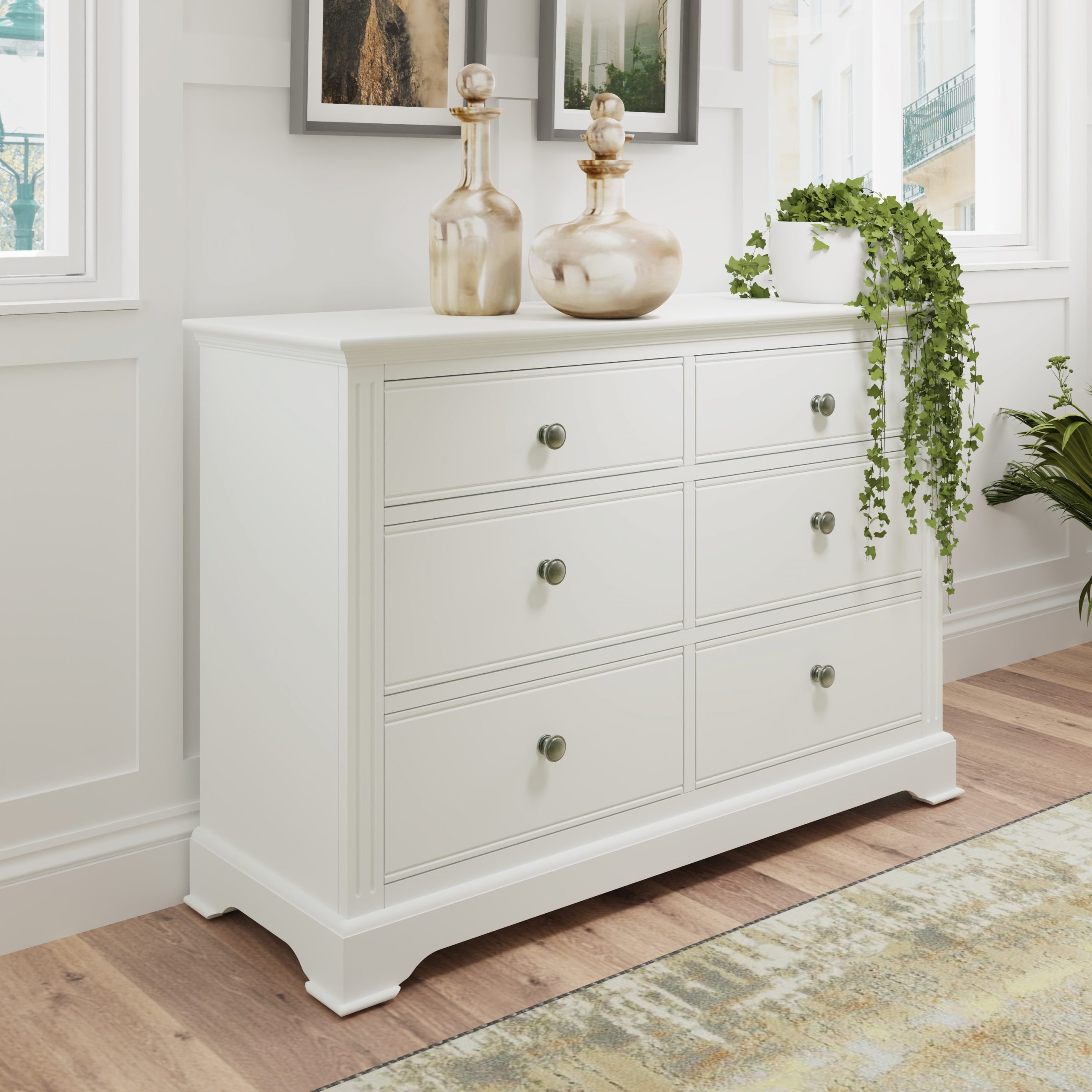
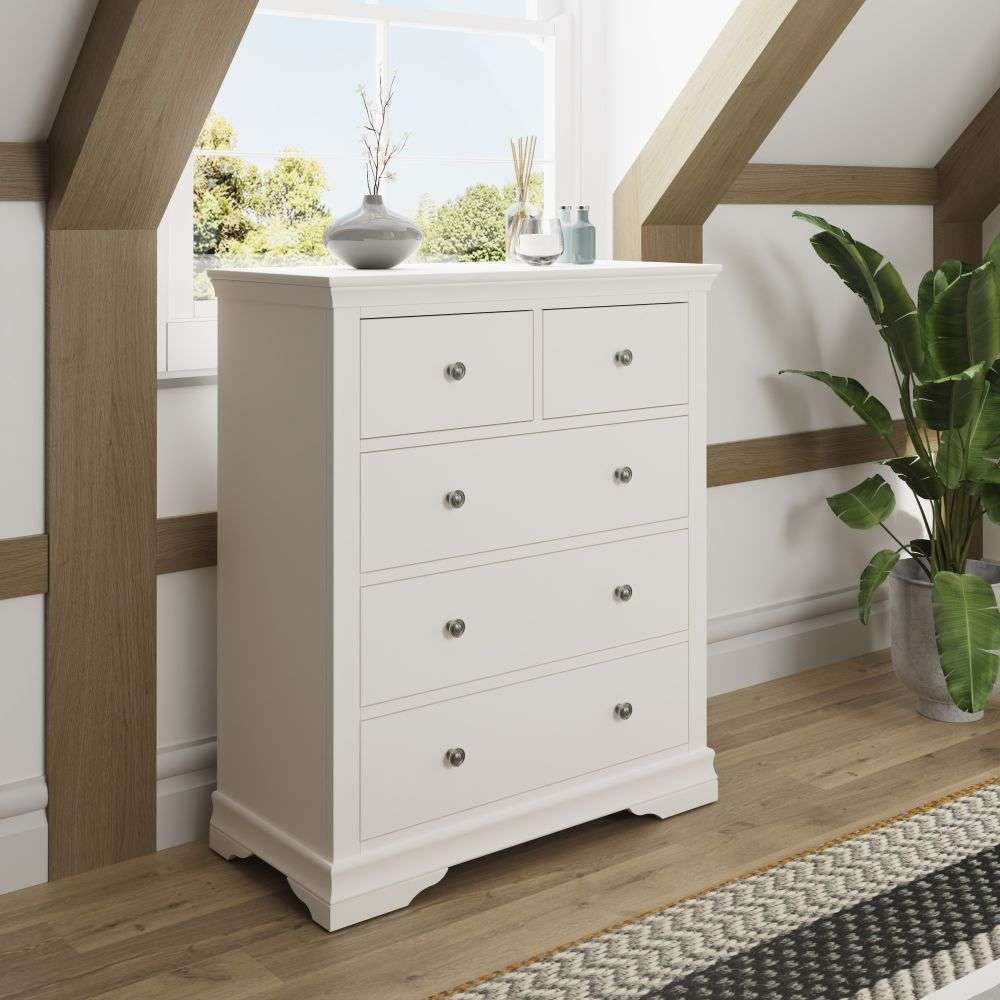
No single touch test proves a piece is solid oak. Weight depends on size, hardware and all the materials inside the furniture. A lacquered real-wood surface may feel very smooth, while different panels can sound different when tapped.
Use these observations only as supporting clues. Avoid pressing a fingernail into a surface: that risks causing damage and is not a reliable way to identify the wood beneath a finish.


Assess the Joinery Separately
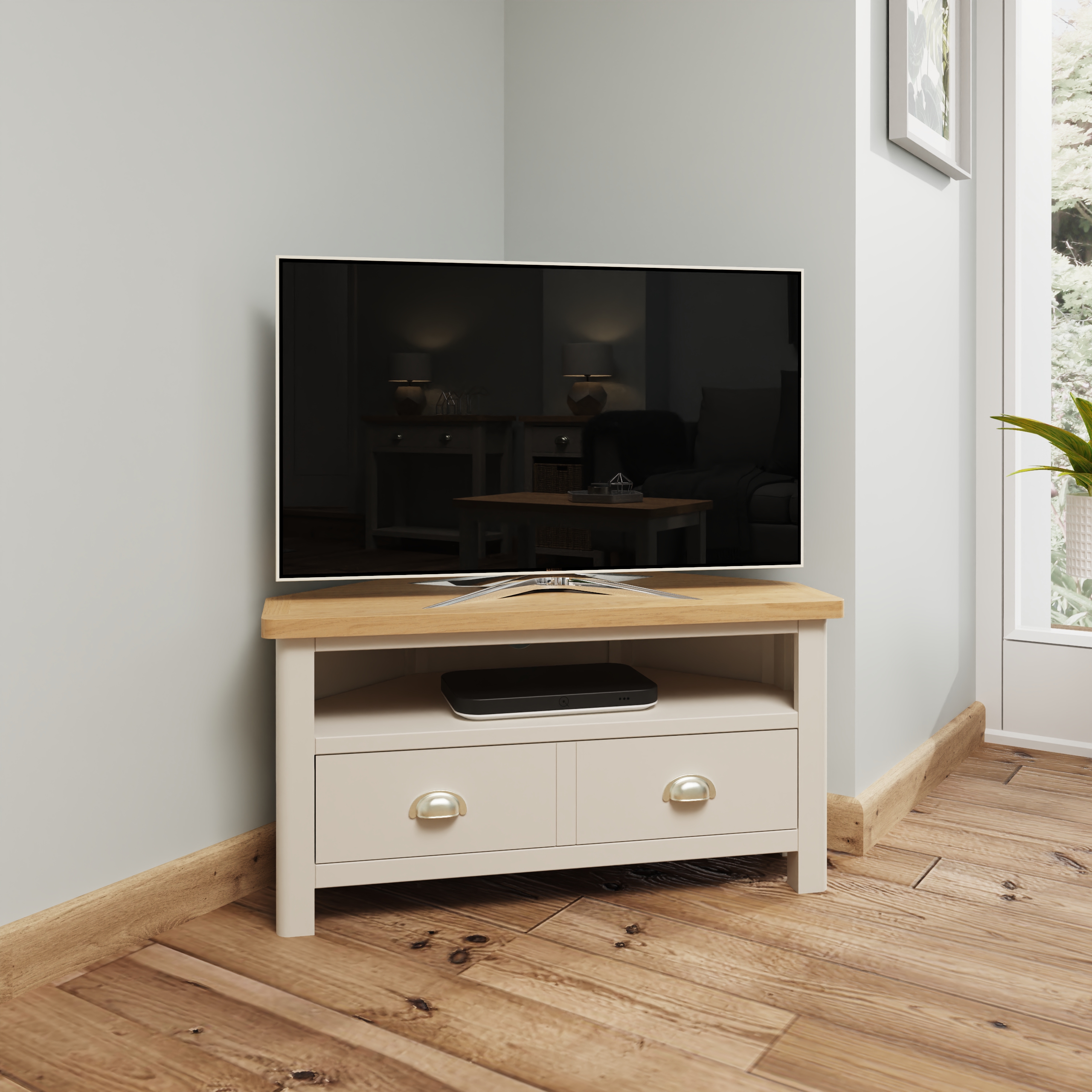
Well-aligned doors, smoothly operating drawers and sound joints tell you about construction quality. They do not prove that every component is solid oak. A carefully built piece may combine solid timber, veneered panels and other materials.
Check that drawers open smoothly, doors sit squarely and shelves are properly supported. If a retailer mentions dovetail joints or a solid oak frame, ask which products and components that claim applies to rather than assuming it applies to every item in a range.


How to Check Different Furniture Types
Oak Sideboards
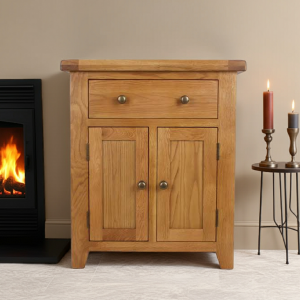
A sideboard gives you several components to compare: top, frame, legs, doors, drawer fronts, sides and back. Check the product description for each rather than assuming they are all made the same way. When browsing oak sideboards or small oak sideboards, compare the material details on the individual listings.
Oak TV Stands
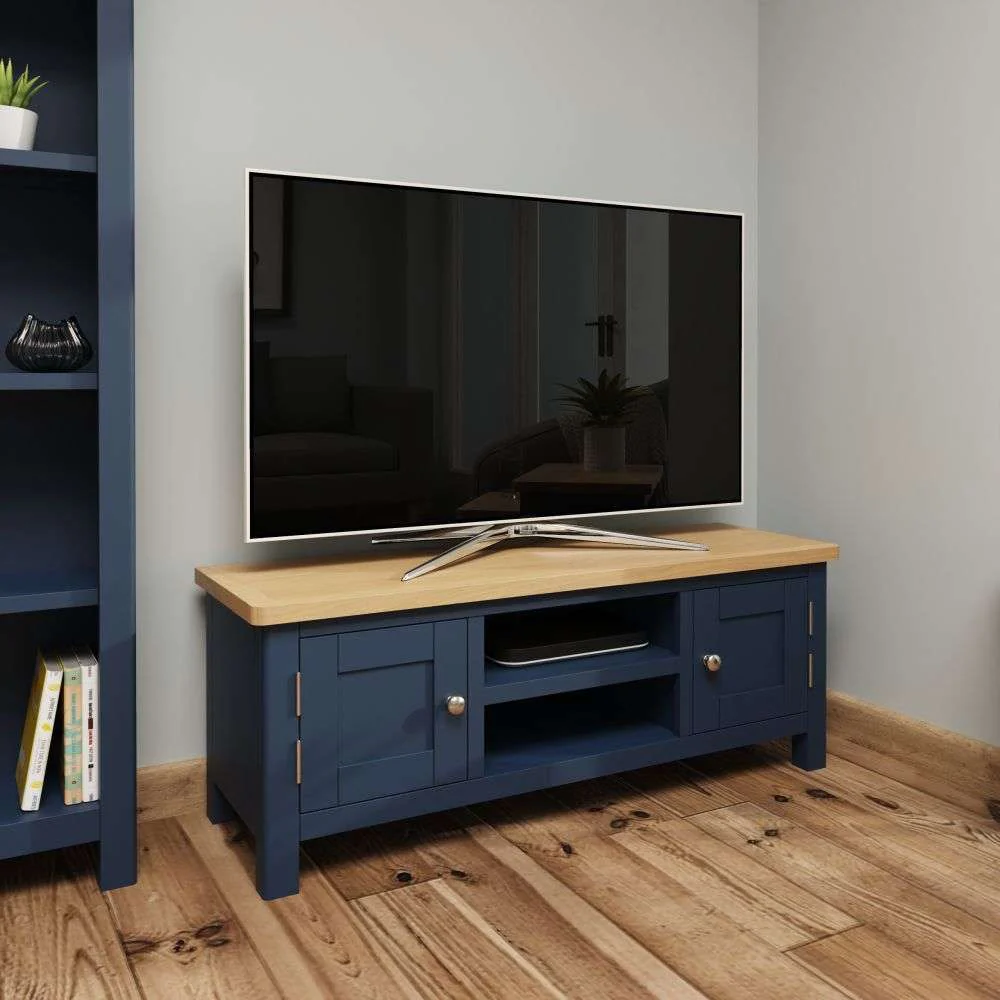
Look at the top, shelf edges and any accessible cable openings. These may help you understand how a panel is built, but confirm what you see against the written specification. If you are shopping for a unit, also check its dimensions, stated load capacity and ventilation—not just its finish. Explore oak TV stands and check each product separately.
Oak Beds, Wardrobes and Chests
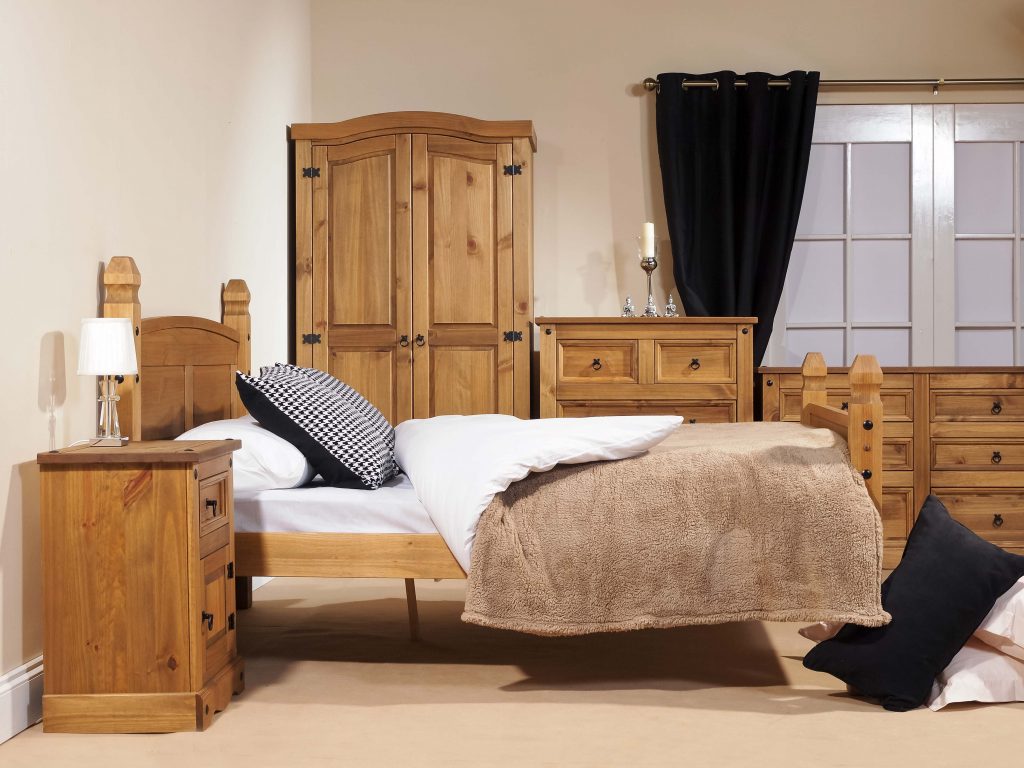
On bedroom furniture, examine accessible bed rails, wardrobe doors and drawer sides. A different material in a wardrobe back or drawer base does not by itself mean the visible oak is not genuine. What matters is an accurate description and sound construction.
When Oak Veneer Is a Good Choice
Oak veneer is real oak on the surface. When bonded to a suitable core, it can be a practical choice for broad doors, tops and side panels. It may also cost or weigh less than an all-solid design.
Its main limitation is repair depth: a thin veneer cannot generally be sanded as deeply as solid oak. If future refinishing matters to you, ask what the manufacturer recommends for that exact product. A clear description should distinguish solid oak, oak veneer and oak-effect surfaces.
Red Flags to Investigate
- The title says “oak”, but the materials section gives no explanation.
- The description uses “oak effect” when you expected real oak.
- Several panels appear to have precisely repeated printed grain.
- The available photographs hide every edge, underside and interior.
- A “solid oak” claim is not supported by a component-by-component specification.
None of these observations alone proves a product is poor quality. They are reasons to ask a clearer question before buying.
Questions to Ask Before You Buy
- Which components are solid oak?
- Which components have genuine oak veneer?
- What material is beneath the veneer?
- Are any visible surfaces laminate or oak effect?
- How should the surface be cleaned or repaired?
- Are dimensions and any relevant load limits provided?
- What warranty and returns terms apply to this product?
The Bottom Line
To judge whether oak furniture is genuinely oak, start with the written specification and use the grain, edges and accessible construction details as supporting evidence. Real oak does not always mean solid oak throughout: genuine veneer is also oak, while a printed oak-effect surface is not.
If the description and what you can see do not seem to agree, ask the retailer to identify the materials used in each important component before ordering.