
Embrace Drawer Organizers- Narrow Oak Sideboard
-
Product on sale
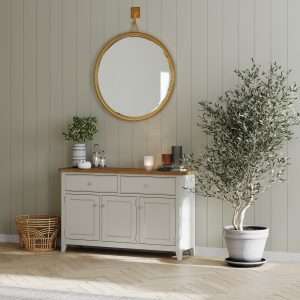 Light Grey Painted Large SideboardOriginal price was: £675.00.£450.00Current price is: £450.00.
 -
Product on sale
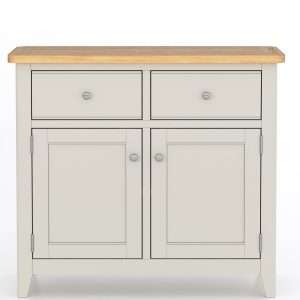 Light Grey Painted Standard SideboardOriginal price was: £457.50.£305.00Current price is: £305.00.
 -
Product on sale
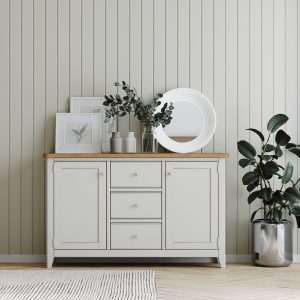 Light Grey Painted 2 Door 3 Drawer SideboardOriginal price was: £637.50.£425.00Current price is: £425.00.
 -
Product on sale
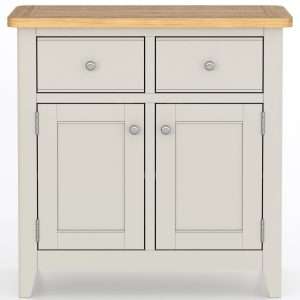 Light Grey Painted Small SideboardOriginal price was: £435.00.£290.00Current price is: £290.00.
 -
Product on sale
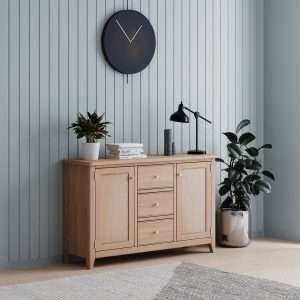 Natural Oak 2 Door 3 Drawer SideboardOriginal price was: £622.50.£415.00Current price is: £415.00.
 -
Product on sale
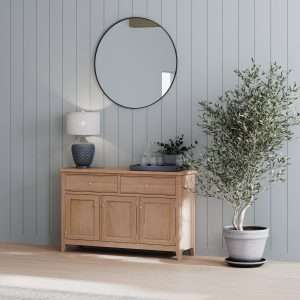 Natural Oak Large SideboardOriginal price was: £735.00.£490.00Current price is: £490.00.
 -
Product on sale
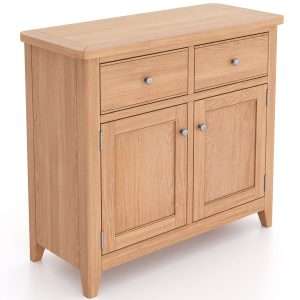 Natural Oak Standard SideboardOriginal price was: £495.00.£330.00Current price is: £330.00.
 -
Product on sale
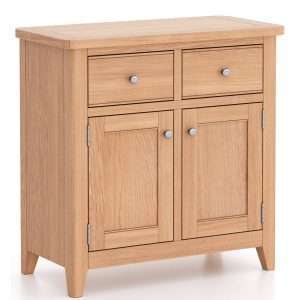 Natural Oak Small SideboardOriginal price was: £442.50.£295.00Current price is: £295.00.
 -
Product on sale
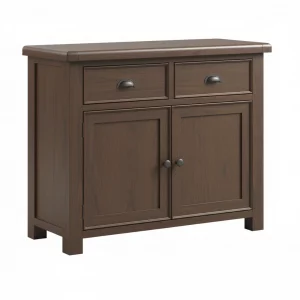 Smoked Oak Standard SideboardOriginal price was: £532.50.£355.00Current price is: £355.00.
An oak sideboard is one of the most effective ways to add valuable storage without filling a room with bulky furniture. With a combination of cupboards, drawers and shelving, it can keep everyday essentials neatly out of sight while still giving you a beautiful surface for styling, serving or displaying your favourite pieces.
Whether you have a compact dining area, a busy family living room, a narrow hallway or an open-plan home, the right sideboard storage system can make the room feel clearer, calmer and easier to use. These space-saving sideboard ideas will help you make every shelf, drawer and cupboard work harder.
Start With What You Actually Need to Store
It is easy for a sideboard to become a holding place for things that do not have a proper home. Before reorganising it, take everything out and decide what genuinely belongs there.
Sort items into simple categories:
- Everyday items you use regularly
- Dining and entertaining essentials
- Paperwork, stationery and household admin
- Technology, cables and charging accessories
- Children’s games, craft supplies or family items
- Seasonal pieces used only at certain times of year
- Items that can be donated, recycled or stored elsewhere
Once you know what is staying, give every cupboard, shelf and drawer a purpose. This helps prevent the storage from becoming disorganised again and makes it easier for everyone in the household to know where things belong.
For example, one cupboard could hold dinnerware, another could store table linen and serving pieces, while the drawers could be reserved for cutlery, candles, coasters or household essentials.
Use the Full Depth of Each Cupboard
Cupboards can hold far more than they first appear to, but only when the full depth is used thoughtfully. Place taller or less frequently used items at the back, keeping smaller and everyday essentials towards the front.
This works particularly well for:
- Large serving bowls and platters
- Vases, jugs and decorative ceramics
- Spare glasses and entertaining accessories
- Tablecloths, runners and folded napkins
- Board games, photo albums or household paperwork
- Seasonal decorations and occasional-use items
Avoid placing loose items directly behind one another wherever possible. Instead, group smaller pieces into baskets or lidded storage boxes that can be lifted out easily. A handled basket turns a deep cupboard into a practical pull-out storage zone without needing to install expensive fittings.
If you are furnishing a smaller dining room or a compact living space, small oak sideboards can provide useful concealed storage while taking up less floor space.[oakcastlefurniture.co]
Divide Drawers Into Useful Zones
Drawers are ideal for smaller items, but without a little structure they quickly become cluttered. Drawer organisers, shallow trays and adjustable dividers make it easier to create dedicated sections and use every available inch.
Use sideboard drawers for:
- Cutlery, serving spoons and bottle openers
- Coasters, placemats and cloth napkins
- Candles, matches and spare tealights
- Remote controls, charging leads and headphones
- Stationery, notebooks, stamps and pens
- Spare batteries, bulbs and household accessories
- Children’s colouring supplies or craft materials
A useful approach is to create a “ready-to-host” drawer. Keep your coasters, napkins, corkscrew, serving tools and candles together, so you are ready for a relaxed dinner or an unexpected visitor without searching through the kitchen.
For deeper drawers, use stackable trays. The upper tray can hold small items such as batteries and cables, while the lower section can be used for larger objects. This gives you two levels of storage in the same drawer.
Adjust Shelves Around Your Home
If your sideboard has adjustable shelves, do not simply leave them in their original position. Move them to suit the items you own.
A shelf that is too high wastes vertical space, while a shelf that is too low makes it difficult to store taller objects. Adjusting shelves can create dedicated areas for different categories and make the interior look much more organised.
Consider creating:
- A tall section for vases, bottles, jugs or upright board games
- A medium-height shelf for bowls, glasses and serving dishes
- A lower section for folded linens, trays or storage baskets
- A smaller section for coasters, napkin rings and other compact accessories
Store heavier pieces, such as stacks of dinner plates, large serving bowls or books, on lower shelves. Keep lighter and more delicate items higher up where they are still visible and easy to reach.
Add Baskets, Boxes and Trays
Storage accessories are what turn a sideboard from a cupboard into an organised system. Baskets, boxes and trays stop small objects from spreading across shelves and make it much easier to find what you need.
Choose containers that suit both the contents and the style of your room:
- Woven baskets for linens, throws, toys and craft materials
- Fabric storage boxes for cables, paperwork and accessories
- Lidded boxes for items you want to protect from dust
- Clear boxes for things you need to identify quickly
- Wooden trays for serving pieces, bar accessories or candles
- Slim vertical organisers for placemats, chopping boards and trays
Natural materials such as wicker, linen, canvas and wood pair beautifully with oak furniture. For a more modern contrast, try matte-black metal baskets, smoked storage boxes or neutral felt organisers.
Label the inside of boxes or baskets if more than one person uses the sideboard. Simple labels help everyone return items to the correct place while keeping the exterior of the furniture looking clean and uncluttered.
Create Storage That Fits Your Room
An oak sideboard does not need to live only in the dining room. Its adaptable storage makes it useful in many areas of the home.
| Room | Space-saving sideboard ideas |
|---|---|
| Dining room | Store plates, glasses, linens, serving dishes and entertaining accessories |
| Living room | Hide cables, remotes, games, books, blankets and media equipment |
| Hallway | Keep bags, keys, post, umbrellas and dog-walking essentials in one place |
| Home office | Organise files, printer paper, stationery, chargers and equipment |
| Bedroom | Store bedding, folded clothes, accessories, books and beauty products |
| Open-plan home | Conceal household clutter, children’s toys, paperwork and craft supplies |
A sideboard can also replace several smaller storage pieces. Instead of adding a magazine rack, drinks trolley, filing cabinet and open shelving, one well-organised sideboard can keep many of these items together behind closed doors.
In tighter rooms, choose furniture with the right proportions rather than automatically choosing the widest design. A compact sideboard can still offer valuable drawers and cupboard storage, particularly when shelves are organised with baskets and vertical dividers.
Use the Top as Extra Functional Space
The top of your sideboard should look attractive, but it can also earn its place as a useful surface.
In a dining room, it can become a serving station for drinks, desserts or buffet-style meals. In a living room, it can hold a lamp, a tray for remote controls and a few personal decorative pieces. In a hallway, it makes a useful landing area for keys, post and bags.
Keep the surface functional without overcrowding it:
- Use one tray to contain small everyday items
- Add a lamp, mirror or framed print to create height
- Include one vase, plant or candleholder for softness
- Leave clear surface space for serving food or putting items down
- Avoid allowing post, receipts and loose cables to build up
A simple arrangement of a tall item, a medium-height decorative piece and a practical tray gives the surface balance without making it feel overly styled.
Organise for Easy Entertaining
A sideboard is especially useful when you enjoy hosting, because it keeps dining essentials close to the table without taking up kitchen cupboard space.
Create an entertaining zone with:
- Spare plates, bowls and serving platters
- Wine glasses, water glasses and a carafe
- Napkins, placemats and table runners
- Candles and holders
- Serving utensils and a corkscrew
- A tray for drinks, snacks or coffee
Keep the items you use most often near the front of the cupboard or in a top drawer. Store special-occasion pieces, such as champagne flutes, seasonal decorations or large serving bowls, lower down or towards the back.
This saves time before guests arrive and makes clearing up easier once the meal is over.
Keep the System Working
The most practical storage ideas are the ones that are easy to maintain. You should not need to empty your whole sideboard every month to keep it useful.
Try these simple habits:
- Put items back in their allocated basket, drawer or shelf after use.
- Leave a little empty space in cupboards rather than packing every shelf tightly.
- Sort paperwork weekly before it turns into a pile.
- Review storage at the start of each season.
- Store festive tableware and decorations separately when not in use.
- Donate or recycle items you no longer use.
- Refresh the items displayed on top when you want the room to feel different.
A few minutes of regular tidying is far easier than a major clear-out, and it ensures your oak sideboard stays a practical feature rather than a hidden source of clutter.
Find an Oak Sideboard for Your Space
The right oak sideboard can transform the way a room works. It provides a stylish place to store the items you need, creates useful display space and helps reduce visual clutter throughout the home.
Explore our collection of oak sideboards to find practical storage for your dining room, living room, hallway or home office.