
The Home Bar Revolution
The rise of home entertaining has fundamentally transformed how we approach home design. No longer confined to commercial establishments, bars and spirit collections have migrated into residential spaces—yet most homes lack dedicated entertaining infrastructure. The result? Improvised serving stations scattered across dining tables, makeshift bottle storage in kitchen cabinets, and a sense that home entertaining feels scattered and unprofessional.
A small oak sideboard solves this problem elegantly. These compact pieces possess architectural proportions perfectly suited to home bar applications—substantial enough to display and store your collection meaningfully, yet restrained enough to integrate seamlessly into living spaces without commanding the room. Whether you’re a gin enthusiast developing a curated spirit collection or simply want to elevate your entertaining aesthetic, a small oak sideboard provides the foundation for a genuinely impressive home bar.
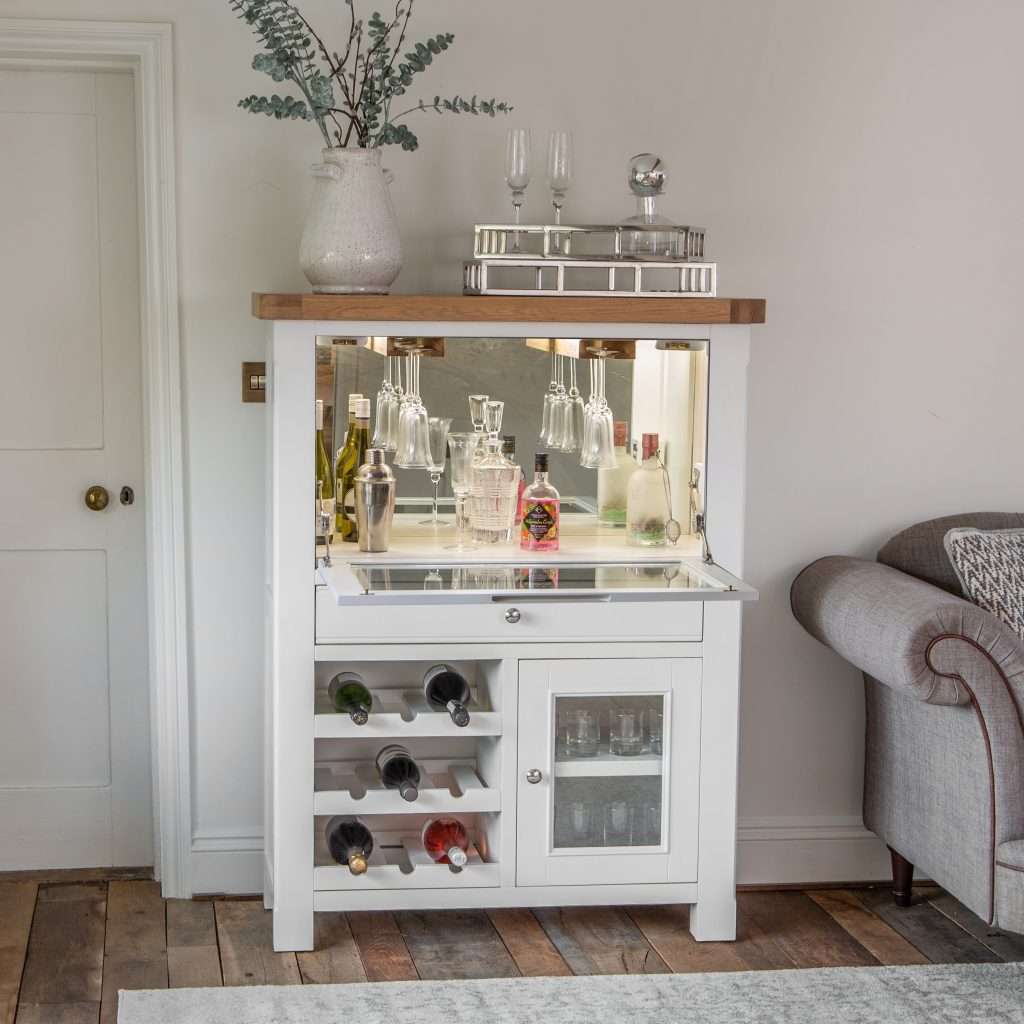
This guide explores practical strategies for transforming a small oak sideboard into a functional, beautiful home bar or gin station that impresses guests while maintaining organization and accessibility.
Part One: The Home Bar Sideboard Advantage
Why a Sideboard Works Better Than Alternatives
Compared to traditional bar furniture options, a small oak sideboard offers distinct advantages. Bar carts, while mobile and space-saving, provide limited storage and become visually cluttered when properly stocked. Wall-mounted shelving displays bottles attractively but offers no climate control or dust protection. Free-standing bar cabinets deliver storage but often feel too large and command excessive floor space.
A small oak sideboard balances these considerations perfectly. The enclosed storage protects bottles from dust and maintains optimal light conditions. The flat top surface becomes your working and display area. The overall footprint respects spatial constraints while suggesting permanence and intentionality—signaling to guests that you’ve created a dedicated entertaining space rather than improvising a bar from existing furniture.
The Psychological Impact of a Dedicated Bar
Interior designers understand that dedicated spaces elevate experience. A dedicated bar signals hospitality, thoughtfulness, and entertaining sophistication. When guests enter a space containing a purposefully designed bar sideboard, they perceive your commitment to entertaining excellence. This subtle psychological cue elevates the entire entertaining experience—even before a single drink is poured.
From a practical perspective, a permanent bar installation eliminates the setup and teardown associated with mobile bar carts. Your entertaining logistics simplify dramatically, freeing mental energy for guest interaction rather than logistical scrambling.
Part Two: Designing Your Sideboard Bar System
Storage Configuration Strategy
A small oak sideboard typically provides two distinct storage zones: enclosed cabinet space and drawer sections. This division naturally supports a sophisticated bar system.
Cabinet Storage for Bottles and Large Items
The enclosed cabinet area becomes your bottle repository. Quality adjustable shelving allows you to accommodate bottles of varying heights—from squat spirit bottles to tall wine selections. Arrange bottles by category: spirits on lower shelves (most stable), wines on middle shelves (easy access), and fortified wines or specialty selections on upper shelves.
Temperature considerations matter here. Unlike commercial bar systems with climate control, your home sideboard experiences ambient room temperatures. Ensure the sideboard location avoids direct sunlight and excessive heat—positioning away from fireplaces, heating vents, or south-facing windows. This protects your spirit collection from degradation while maintaining optimal flavor profiles.
Drawer Organization for Tools and Accessories
Drawer sections become dedicated zones for bar tools, glassware, napkins, and small accessories. This organization prevents cluttered countertop surfaces and ensures everything you need remains immediately accessible.
Create compartmentalized zones within drawers:
- Bar tool drawer: cocktail shaker, jigger, bar spoon, muddler, strainer
- Glassware section: bar towels, coasters, napkins
- Condiments drawer: bitters, syrups, garnish preparations
This systematic organization means you can prepare complex cocktails without searching for essential tools. The difference between reaching for a dedicated jigger versus rummaging through kitchen drawers dramatically improves the entertaining experience.
Part Three: The Display Surface—Creating Your Spirit Showcase
Curating Your Top-Surface Display
The sideboard’s top surface becomes your most visible real estate—the area guests examine first. Strategic curation here communicates sophistication and intentionality.
Focal Point Creation
Identify your most impressive or favorite spirit and position it prominently. Whether you’re showcasing a premium gin collection, rare whiskey, or specialty bottle, this focal point becomes the display anchor. Arrange supporting bottles symmetrically around this centerpiece, creating visual balance.
For gin stations specifically, consider arranging bottles by botanical profile or color intensity. Light, citrus-forward gins on one side, deeper juniper-forward varieties on the other. This organization creates visual interest while conveying knowledgeable collecting.
Complementary Display Elements
Beyond bottles, curate complementary elements that enhance the bar aesthetic:
- Premium glassware display: Position your finest gin glasses or cocktail coupes prominently, signaling the quality of the experience
- Decorative elements: A small sculpture, premium candle, or decorative object creates visual richness without overwhelming the space
- Lighting: A vintage-style lamp or pendant fixture positions above the sideboard transforms your bar into an inviting focal point, particularly in evening entertaining
The Serving Station Setup
Reserve dedicated space for active preparation. A small wooden tray becomes your working surface for mixing cocktails or preparing gin and tonics. Coasters protect your sideboard surface from condensation. A small ice bucket or drink cooler (portable, small-footprint models work well) positions conveniently for chilling glasses or spirits.
Part Four: Gin Station Specialization
Creating a Dedicated Gin Experience
Gin enthusiasts often prefer specialized gin stations over general home bars—focused collections emphasizing botanical variety and tasting experiences.
The Premium Gin Showcase
Gin’s remarkable diversity creates compelling collection opportunities. Unlike spirits with limited regional variation, gin expresses enormous stylistic range: London Dry classics, contemporary florals, experimental botanicals, and regional specialties each offer distinct flavor profiles.
Organization by Style
Arrange your gin collection to communicate this diversity:
- London Dry section: Juniper-forward classics that form the collection foundation
- Contemporary/Floral: Modern expressions emphasizing fragrant botanicals
- Regional/Botanical: Geographic or ingredient-specific selections
- Specialty/Experimental: Limited editions or unusual expressions
This organization becomes a conversation starter. Guests observe the systematic collection and recognize the owner’s commitment to gin appreciation—not casual consumption.
The Tasting Station Setup
A dedicated gin collection invites tasting experiences. Set up a small area with:
- Premium tonic selections (varied brands offering different bitter/citrus profiles)
- Artisanal mixers and specialty tonics
- Fresh garnish options (citrus, herbs, botanicals)
- Tasting notes or pairing suggestions
This transforms your gin station from a display piece into an engaging, interactive entertaining hub. Guests become participants in a curated tasting experience rather than passive consumers.
Part Five: Practical Considerations and Maintenance
Climate and Storage Conditions
Even high-quality spirit bottles require thoughtful storage conditions. Your sideboard placement significantly impacts your collection’s longevity.
Optimal Placement Strategy
- Avoid direct sunlight: UV exposure degrades spirit flavor and can damage bottle labels and presentations
- Maintain consistent temperature: Avoid locations near heating vents, fireplaces, or areas experiencing significant temperature fluctuation
- Ensure proper ventilation: Stagnant, humid environments encourage cork degradation
- Level storage: Most sideboard shelving naturally maintains level positioning—essential for cork-sealed bottles to prevent cork drying and oxygen ingress
Glassware Selection and Presentation
Your glassware choices dramatically impact the entertaining experience and bar aesthetic.
Premium Glass Investment
Quality glassware differs substantially from basic alternatives. Premium glasses feature:
- Thicker crystal that maintains temperature longer
- Refined rim finishing that improves drinking experience
- Transparent clarity that showcases spirit color
- Appropriate shape for specific spirits (balloon glasses for gin, coupe for cocktails)
Displaying your finest glassware on the sideboard surface accomplishes dual purposes: protective proximity (you’re more likely to use and appreciate beautiful glasses) and aesthetic communication (guests immediately perceive quality).
Bottle Arrangement and Accessibility
Create an arrangement that balances visual appeal with practical accessibility.
- Frequently used spirits: Position at comfortable working height
- Impressive or unusual bottles: Position at eye level for visual impact
- New acquisitions: Display prominently to encourage exploration and conversation
Part Six: Entertaining Strategy and Guest Experience
The Welcoming Bar Aesthetic
The most effective home bars convey welcoming professionalism rather than pretentious expertise. Your sideboard bar should communicate “let me create something delicious for you” rather than “admire my collection.”
Approachability and Expertise Balance
Consider creating a simple menu of signature cocktails or gin recommendations. Written on a small card and positioned near your sideboard, this guides guests without overwhelming them with choices. Share your gin knowledge enthusiastically without demanding participation—some guests want to engage deeply; others prefer to observe and enjoy.
Interactive Entertaining Opportunities
A small sideboard home bar naturally facilitates interactive entertaining experiences.
Gin Tasting Events
Invite friends for structured tasting sessions comparing different gin styles. Provide palate cleansers, tasting notes, and botanical information. This elevates entertaining from casual drinks to educational, memorable experiences.
Cocktail Demonstrations
Share your cocktail-mixing knowledge by preparing drinks in front of guests. The performing aspect of bar work becomes entertainment itself. Most guests find the ritual and skill of cocktail preparation genuinely engaging.
Curated Pairings
Coordinate your spirit offerings with food. Premium gin pairs beautifully with fresh seafood, delicate cheeses, or light canapés. This sophisticated pairing approach transforms casual entertaining into memorable experiences.
Part Seven: Integrating Your Bar with Home Décor
Design Continuity
Your sideboard bar should integrate seamlessly with existing décor rather than appearing as an isolated entertaining zone.
Style-Appropriate Styling
- Contemporary homes: Clean lines, minimalist bottle display, modern lighting
- Traditional interiors: Vintage-inspired glassware, warm lighting, classic bottle arrangements
- Eclectic spaces: Mix vintage and contemporary elements, create visual layers
The beauty of a quality oak sideboard lies in its aesthetic flexibility. The warm, natural tones adapt to virtually any decorative style, accepting whatever styling elements you apply.
Complementary Furniture Arrangement
Position seating nearby to create an informal bar lounge. A small side table, comfortable chair, or bar stools position guests conveniently for conversation and drink service. This arrangement transforms isolated bar sideboards into inviting entertaining hubs—places where guests naturally congregate.
Conclusion: Elevating Your Home Entertaining
Transforming a small oak sideboard into a home bar or gin station accomplishes something remarkable: it elevates entertaining from functional necessity to intentional expression of hospitality and aesthetic appreciation. Your guests perceive immediately that you’ve invested thought and care into their experience.
Beyond the entertaining benefits, creating a dedicated bar encourages you to engage with spirits more thoughtfully. Rather than vague cabinet storage, a curated sideboard collection invites regular engagement, discovery, and appreciation. You become attuned to the remarkable diversity within spirit categories—discovering new favorites, appreciating regional expressions, and genuinely enjoying your collection.
The practical advantages compound these experiential benefits. Efficient storage systems mean your entertaining requires minimal preparation. No searching for bar tools, no scattered bottle arrangements, no improvised serving stations. Just organized, accessible hospitality infrastructure that makes entertaining genuinely enjoyable.
Whether you’re beginning a spirit collection or already possess a curated selection, a small oak sideboard provides the foundation for a genuinely impressive home bar. Invest in quality, organize thoughtfully, and create an entertaining space that reflects your sophistication and commitment to hospitality.
Key Takeaways
- A small sideboard provides superior home bar functionality compared to bar carts or wall-mounted shelving
- Strategic storage configuration separates bottles, tools, and accessories into dedicated zones
- Display surface curation creates visual impact that communicates collecting sophistication
- Specialized gin stations capitalize on spirit diversity and encourage tasting experiences
- Climate-conscious placement protects your collection’s flavor and presentation integrity
- Interactive entertaining strategies transform bars from display pieces into engaging experiences
- Quality glassware display enhances both aesthetics and functionality
- Thoughtful integration with home décor creates seamless entertaining environments
Related Articles:
- 7 Clever Ways to Use a Small Oak Sideboard in Non-Dining Spaces
- The Ultimate Guide to Narrow Sideboards for Hallways and Entryways
- How to Use a Mini Sideboard as a Stylish Printer Cabinet in a Home Office
- Small Sideboards with Internal Drawer Storage: Maximizing Utility in Tight Corners
- Best Corner Sideboard Designs to Maximize Awkward Spaces