
Understanding the Moody Aesthetic
The “moody” interior design aesthetic has become increasingly popular among homeowners seeking to create sophisticated, intimate spaces that feel both warm and refined. A dark oak sideboard, combined with strategic 2700K warm lighting, forms the perfect foundation for this style. Rather than feeling dark or oppressive, properly executed moody design creates sanctuaries—spaces that welcome you with warmth and sophistication.
This comprehensive guide explains how to achieve the moody aesthetic using dark oak sideboards as your primary design anchor. We’ll explore the psychology behind warm lighting, the specific properties of dark oak that support this aesthetic, and practical strategies for creating spaces that feel both welcoming and refined.
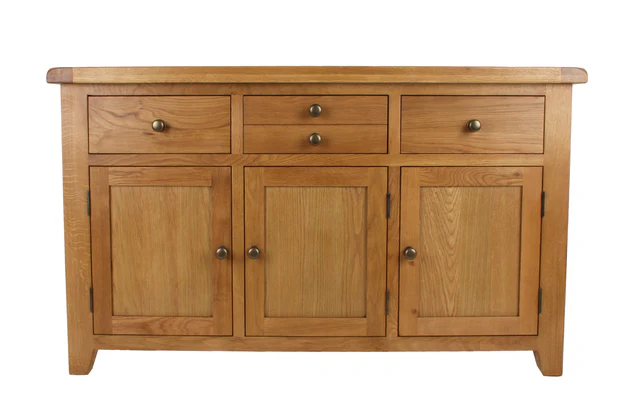
The Psychology of Dark Oak and Warm Lighting
Why Dark Oak Communicates Sophistication
Dark oak—with its deep brown tones ranging from warm mahogany to almost charcoal hues—communicates several psychological messages simultaneously. Deep wood tones suggest permanence, quality, and heritage. When you see dark oak, your brain instinctively recognizes durability and timelessness. This psychological foundation makes dark oak an ideal choice for creating sophisticated, intentional design.
The warmth inherent in oak (even in its darker tones) prevents the wood from feeling cold or austere. Unlike black furniture or grey-stained wood, dark oak retains organic warmth that makes rooms feel inviting rather than sterile.
The Transformative Power of 2700K Warm Lighting
Color temperature, measured in Kelvin (K), fundamentally affects how spaces feel. Warm white light at 2700K mimics the warm glow of candlelight and sunset. This color temperature is proven to promote relaxation and comfort, making it ideal for creating moody, intimate atmospheres.
When 2700K light falls on dark oak, it reveals the wood’s natural depth and complexity. The warm light brings out rich browns, golden highlights, and subtle grain patterns that cooler lighting obscures. Rather than making dark oak appear heavier, 2700K lighting makes it appear more luxurious and inviting.
The Science Behind the Perfect Moody Space
Combining Psychological Elements
A truly moody space combines several design elements that work synergistically:
Visual Anchoring: Dark oak sideboards serve as psychological anchors. Your brain recognizes the wood as substantial and permanent, creating a feeling of stability and grounding.
Warmth Expression: 2700K lighting communicates warmth and comfort, counteracting any heaviness associated with darker colors and tones.
Controlled Brightness: Moody spaces typically use dimmer levels of lighting compared to everyday functional spaces. This reduced brightness promotes relaxation and creates intimacy.
Material Authenticity: Real dark oak wood (rather than stained pine or MDF with oak veneer) communicates quality and investment, which psychologically elevates perceived sophistication.
These elements combine to create spaces that feel intentionally designed rather than accidental.
Strategic Lighting Design for Dark Oak Sideboards
Layered Lighting Framework
Professional interior designers always recommend layered lighting rather than relying on a single light source. For moody spaces with dark oak sideboards, this framework includes:
Ambient Lighting: Overall room illumination typically mounted on dimmers, allowing you to reduce brightness as evening approaches. For moody design, choose fixtures that emit 2700K light and mount them to allow light to bounce off ceilings and walls rather than directly illuminating the space.
Accent Lighting: Positioned specifically to highlight your dark oak sideboard. Wall sconces flanking the sideboard, LED strip lighting hidden on shelving, or carefully positioned uplighting creates visual dimension and showcases the wood’s complexity.
Task Lighting: Functional lighting for specific activities. Floor lamps near seating areas provide localized 2700K light that contributes to the moody atmosphere while serving functional purposes.
Feature Lighting: Optional dramatic lighting focused on particularly beautiful aspects of your sideboard—perhaps a carved detail or a beautiful grain pattern—creates visual interest and luxury.
Specific Lighting Fixture Recommendations
Wall Sconces: Position matching brass or gold-toned sconces at eye level on either side of your dark oak sideboard. These fixtures emit 2700K light that washes across the wood’s surface, revealing depth and texture. Sconces with fabric shades filter light softly, creating warmth.
Floor Lamps with Warm Bulbs: Tall floor lamps positioned to the side of your seating area contribute to overall ambient lighting while providing task lighting for reading. Ensure bulbs are rated at 2700K for consistent warm tones throughout your space.
Dimmable Ceiling Fixtures: Overhead lighting, when included, should be completely dimmable. Install 2700K bulbs and reduce brightness to 30-40% for moody evening atmospheres, increasing to 70-80% during daytime or when entertaining.
Concealed LED Strips: Modern dark oak sideboards with open shelving benefit from concealed LED strip lighting along shelf edges. This creates a subtle glow that showcases displayed items while contributing to the ambient moody atmosphere.
Avoiding Common Lighting Mistakes
Mistake 1: Using Cool-Toned Lighting (4000K or Higher) Cool white or daylight bulbs create clinical, uninviting atmospheres that undermine moody design. They also diminish the warm qualities of dark oak, making the wood appear flat and uninteresting. Commit to 2700K throughout your space.
Mistake 2: Overlighting Moody spaces intentionally use softer, reduced lighting. Avoid over-bright ambient lighting that creates daytime functionality when you’re seeking intimate atmosphere. Dimmer controls are essential.
Mistake 3: Insufficient Accent Lighting Without accent lighting focused on your sideboard, the piece may disappear into the darkness of a moody room rather than standing out as a beautiful, intentional focal point. Always include at least one accent light source positioned to highlight the sideboard.
Wall Color and Paint Strategies for Dark Oak
Complementary Wall Colors
Option 1: Matching Depth for Cohesion Paint walls in deep tones similar to your dark oak sideboard—navy, charcoal, forest green, or deep burgundy. This creates visual cohesion and intentional design. The dark oak sideboard becomes unified with the space rather than contrasting against it.
When selecting wall color, ensure the paint tone is slightly different from your wood tone. An exact match can look monotonous. A dark oak sideboard against deep navy walls creates visual interest through subtle tone variation.
Option 2: Warm Neutral Contrast Paint walls in warm neutrals—warm creams, soft taupes, or warm greiges—to create contrast that prevents the space from feeling cave-like. This approach maintains the moody, sophisticated aesthetic while lightening the overall feel compared to matching deep wall colors.
Option 3: Warm Earth Tones Deep terracotta, warm chocolate brown, or rich olive create complementary atmospheres for dark oak sideboards. These warm earth tones support the moody aesthetic while preventing spaces from feeling cold or austere.
Accent Wall Positioning
When using an accent wall (darker or more saturated than other walls), position your dark oak sideboard against or perpendicular to this accent wall. This creates visual interest and prevents the accumulation of visual weight in one area.
Creating Moody Ambiance: Practical Applications
In Dining Spaces
Dark oak sideboards in dining rooms are naturally moody, as dining spaces traditionally feature more formal, intimate atmospheres. Pair your dark oak sideboard with warm 2700K wall sconces and consider deep wall colors. Include accent lighting that showcases displayed items (glassware, dishes, decorative pieces) to create visual interest.
Layer in soft textiles—table runners, chairs with upholstered seats, wall hangings—to add warmth and texture alongside the dark wood.
In Living Rooms
Living room dark oak sideboards benefit from multifaceted lighting design. Position the sideboard as a focal wall element, flanked by warm wall sconces. Include a floor lamp for reading, positioned to illuminate both the sideboard and a nearby seating area.
Keep the sideboard’s display intentional and minimal—perhaps 3-5 carefully chosen pieces rather than a full array. This creates visual focus and emphasizes the moody, curated aesthetic.
In Home Offices
A dark oak sideboard in a home office creates sophisticated ambiance while providing practical storage. Use 2700K task lighting focused on desk areas while including accent lighting that highlights the sideboard. This creates visual separation between the functional workspace and the display area.
Accessorizing Your Dark Oak Sideboard in a Moody Space
Metallic Finishes
Brass, gold, and copper metallics complement dark oak beautifully in moody spaces. These warm metallics echo the warmth of your 2700K lighting and create visual richness. Candlesticks, picture frames, vases, and decorative objects in warm metallics add luxury without visual clutter.
Avoid cool-toned metallics like silver or chrome, which undermine the warmth your lighting and wood tone establish.
Display Items and Styling
Keep displays intentional and refined. In moody spaces, 2-3 carefully chosen pieces often look more sophisticated than 5-6 items. Consider:
- Brass candlesticks (creating points of visual interest and reinforcing the 2700K lighting aesthetic)
- Deep-toned ceramics or pottery in earth tones
- Books with beautiful spines in warm tones
- Framed art or photography in warm-toned frames
- Sculptural objects in wood, ceramic, or stone
- Dark glass vases or vessels
The Role of Negative Space
Moody design embraces negative space. Resist the urge to fill every inch of your sideboard’s surface. Spaces between displayed items create visual breathing room and emphasize the deliberate, curated nature of your design.
Wall Treatments and Textures
Textured Wall Finishes
Smooth, flat paint works with dark oak, but textured finishes can enhance moody atmospheres. Consider:
- Matte Finishes: Absorb light, creating softer, more intimate atmospheres
- Velvet or Flat Finishes: Create depth and prevent wall glare
- Subtle Wallpapers: In tone-on-tone or geometric patterns, can add visual interest without overwhelming spaces
Avoid glossy finishes, which reflect light and can undermine the intimate moody aesthetic.
Complementary Materials
Pair dark oak sideboards with other natural materials that support the moody aesthetic:
- Stone or slate accents
- Linen textiles in neutral or warm tones
- Wool rugs in deep or warm tones
- Plaster or concrete elements
- Natural wood in complementary tones
These materials create visual richness and reinforce the sophisticated, intentional design direction.
Connecting to Broader Design Goals
Your dark oak sideboard is part of a larger moody design vision. Explore how your sideboard choice impacts your entire room’s aesthetic by reviewing Light vs. Dark Oak Sideboards: Matching Tone to Wall Colour and Lighting — the comprehensive guide to understanding sideboard tone selection across various design contexts.
For additional styling guidance, discover What to Put On Top: 5 Rules for Styling a Small Sideboard Without Clutter — master the art of creating visually interesting, clutter-free displays that showcase your moody aesthetic.
Conclusion: Mastering the Moody Aesthetic
Creating a truly moody space with a dark oak sideboard and 2700K warm lighting requires understanding the psychological and technical aspects of how colour, tone, and light interact. The result, when executed thoughtfully, is sophisticated, welcoming spaces that feel intentionally designed and genuinely luxurious.
The foundation of moody design lies in commitment: commit to 2700K lighting throughout your space, commit to supporting wall colors that enhance rather than fight your dark oak, and commit to intentional displays that emphasize quality over quantity. These commitments create spaces that feel like sanctuaries—places of warmth, sophistication, and timeless comfort.
Your dark oak sideboard is more than furniture. It’s the visual anchor that grounds your moody design vision. When combined with strategic 2700K lighting and thoughtful complementary design choices, it transforms ordinary rooms into extraordinary spaces that welcome you home with warmth and refinement.