
Why a Solid Oak Sideboard is the Last One You’ll Ever Buy
Oak has a habit of sticking around. I’ve seen pieces come through my workshop that have been through three generations of family dinners and still look better than the day they were made.
A large oak sideboard isn’t just a bit of furniture. It’s a heavy, solid anchor for a room that you buy once and then stop worrying about. That’s the whole point.
Why Oak is the Only Real Choice
The grain in solid white oak is incredibly dense. It resists splitting and has a weight to it that man-made boards—and even cheaper woods like pine—just can’t match.
When you run your hand over a properly finished oak surface, it feels substantial. It feels like it means business.
Then there’s the colour. Give oak a bit of natural daylight and it slowly shifts into those warm, rich amber tones over the years.
Pine tends to go patchy or orange, and MDF just stays inert until the laminate starts peeling off. Oak just keeps going, looking more settled the older it gets.
Showing all 18 resultsSorted by latest
-
Sale!
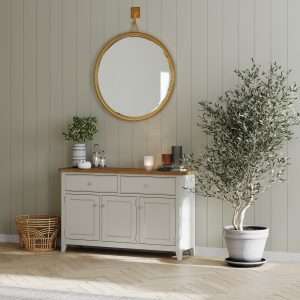
Light Grey Painted Large Sideboard
Original price was: £840.00.£420.00Current price is: £420.00. Add to basket -
Sale!
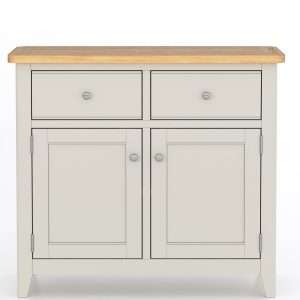
Light Grey Painted Standard Sideboard
Original price was: £560.00.£280.00Current price is: £280.00. Add to basket -
Sale!
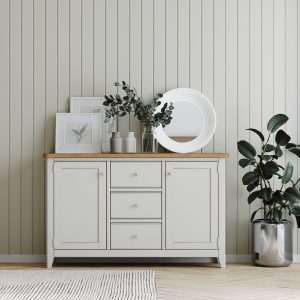
Light Grey Painted 2 Door 3 Drawer Sideboard
Original price was: £790.00.£395.00Current price is: £395.00. Add to basket -
Sale!
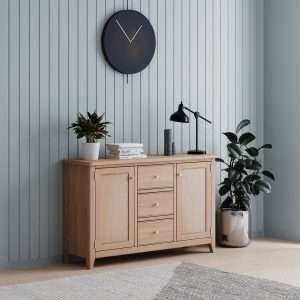
Natural Oak 2 Door 3 Drawer Sideboard
Original price was: £770.00.£385.00Current price is: £385.00. Add to basket -
Sale!
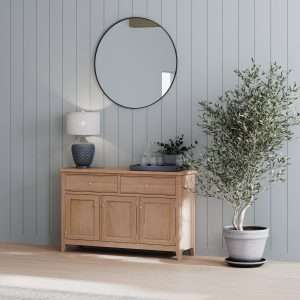
Natural Oak Large Sideboard
Original price was: £910.00.£455.00Current price is: £455.00. Add to basket -
Sale!
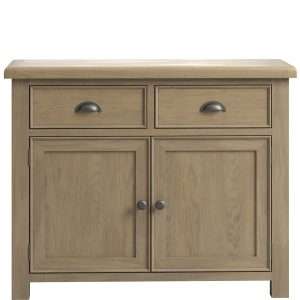
Smoked Oak Standard Sideboard
Original price was: £650.00.£325.00Current price is: £325.00. Add to basket -
Sale!
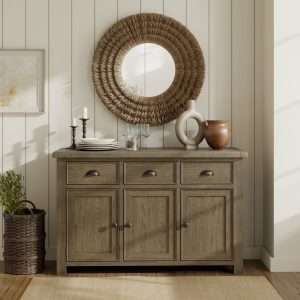
Smoked Oak Large Sideboard 3 Door 3 Drawer
Original price was: £840.00.£420.00Current price is: £420.00. Add to basket -
Sale!
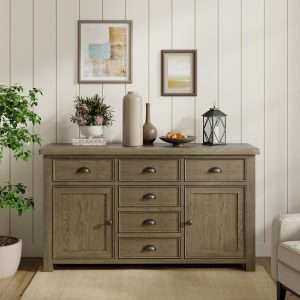
Smoked Oak Large Sideboard 6 Drawer 2 Door
Original price was: £990.00.£495.00Current price is: £495.00. Add to basket -
Sale!
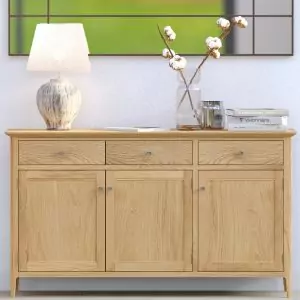
large light oak sideboard
Original price was: £605.00.£455.00Current price is: £455.00. Add to basket -
Sale!
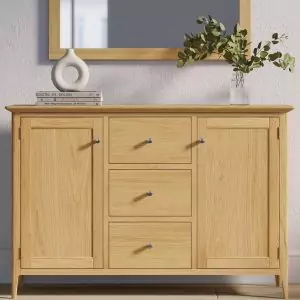
London Oak Modern Sideboard Oak
Original price was: £555.00.£390.00Current price is: £390.00. Add to basket -
Sale!
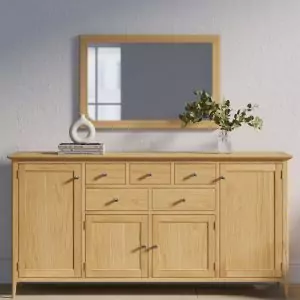
London Oak Long Sideboard
Original price was: £760.00.£525.00Current price is: £525.00. Add to basket -
Sale!

Light Oak Large Dresser
Original price was: £1,110.00.£830.00Current price is: £830.00. Add to basket -
Sale!

Large Sideboard 3 Doors 3 Drawers
Original price was: £475.00.£390.00Current price is: £390.00. Add to basket -
Sale!

Grey Sideboard Oak
Original price was: £445.00.£350.00Current price is: £350.00. Add to basket -
Sale!
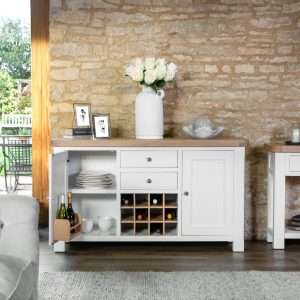
Large Sideboard
Original price was: £1,100.00.£715.00Current price is: £715.00. Add to basket -
Sale!

Premium Large Oak Sideboards – Elegance for Your Home
Original price was: £730.00.£470.00Current price is: £470.00. Add to basket -
Sale!

Large Sideboard
Original price was: £960.00.£625.00Current price is: £625.00. Add to basket -
Sale!
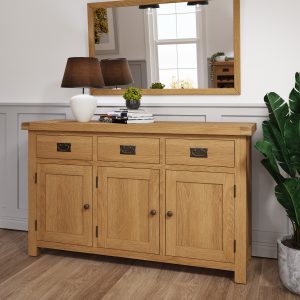
Large Rustic Sideboard with Ample Storage Space
Original price was: £700.00.£500.00Current price is: £500.00. Add to basket
The Honest Truth About the Weight
Look, I’ll be straight with you: solid oak is heavy. Genuinely heavy.
Trying to get a six-foot sideboard up a narrow staircase or across a room on your own is not a fun afternoon. If you’re the sort of person who moves house every twelve months, keep that in mind. It’s built to stay put.
What to Look for (And What to Avoid)
Most of the stuff that separates a proper sideboard from the “fast furniture” rubbish is hidden until it’s been in your house for a few years. By then, it’s too late.
First, ask about kiln-drying. If the timber still has too much moisture in it, it’ll start moving the moment you turn your central heating on.
Doors that were straight in the shop will start to bind. Drawers will stick. Properly dried oak has already done its moving before it ever reaches my bench.
Check the drawers, too. I’m talking about dovetail joints—those interlocking fan-cut corners.
They take more time to make, but they’re miles stronger than anything held together with staples or glue. A drawer with solid wood sides and dovetails will still slide smoothly in twenty years. A stapled one? Not a chance.
Grain Matching and the Back Panel
On a well-made piece, the grain should flow across the door panels. It shows the maker actually looked at the wood they were using.
If the doors look completely unrelated, it’s been slapped together from whatever scraps were left on the floor.
And check the back. A thick back panel keeps the whole frame square and rigid. If it’s just a thin bit of hardboard tacked on the back to save a few quid, the whole thing will eventually start to wobble.
Where to Put It
The dining room is the obvious choice. It handles the heavy plates and the “good” cutlery without breaking a sweat.
But don’t ignore the living room. Put a large sideboard against a long wall and it sits there quiet and confident.
In a big hallway, it’s a lifesaver for all the bits and bobs that usually clutter up the place. It’s practical, but visitors will definitely notice it.
The Reality of the Price Tag
Solid oak costs more money. There’s no point pretending otherwise.
But you have to look at the timeline. That cheap sideboard made of engineered board will be in a skip in ten years—the joints swell and the edges chip.
A solid oak piece will still be doing its job in thirty or forty years. You’ll find them at auctions a century from now, still solid as a rock. It’s an investment, not a temporary fix.
“Absolutely chuffed with the sideboard. It’s a proper bit of kit—heavy as lead and the grain on the top is stunning. You can tell it’s built to last longer than I will.”
🚚 Delivery Options
- Standard: Delivered within 5 business days (Full Tracking).
- Premium (White Glove): We call you to book the day. Includes live tracking, room-of-choice delivery, unboxing, and packaging removal.
Quick Specifications: Large Oak Sideboard
| Width | 150CM (Large Triple Unit) |
|---|---|
| Height | 85CM |
| Depth | 45CM |
| Material | Solid White Oak, Real Oak Back Panels |
| Assembly | Fully Assembled |
| Weight Capacity | Tested up to 120kg |
| Manufacturer Warranty | 5-Year Structural Guarantee by Oak Castle Furniture |
Comparing Your Options
| Feature | Solid Oak | MDF / Particle Board | Pine |
|---|---|---|---|
| Durability | Decades of use. Resists dents. | 5-10 years. Edges chip easily. | Soft. Dents and scratches easily. |
| Maintenance | Occasional oil or wax. | Impossible to repair once damaged. | Needs frequent painting or sealing. |
| Cost | Higher upfront investment. | Cheap and cheerful. | Mid-range. |
| Longevity | Heirloom quality. | Disposable. | Short to medium term. |
Common Questions I Get Asked
How do I look after it? It’s simpler than people think. Give it a light polish with a good quality wax or oil every six months. Keep it away from direct contact with a roaring radiator so the wood doesn’t get shocked. That’s about it.
Is it actually 100% solid wood? Yes. No “engineered” boards or hidden shortcuts. If you sawed it in half, you’d see nothing but oak all the way through. Not that I’d recommend doing that.
What if I scratch it? That’s the beauty of solid wood. If you get a deep scratch, you can actually sand it back and re-oil it. You can’t do that with the cheap stuff—once you scratch through the surface of a laminate board, it’s ruined.
Why is it so heavy? Because it’s dense. Oak is a slow-growing hardwood. That weight is exactly what gives it the strength to hold heavy crockery for fifty years without the shelves sagging.
Will the colour change? Yes, it’ll mellow. It starts off a bit paler and gradually deepens into a richer, honey-like amber. It’s a natural process and, frankly, it’s one of the best things about owning oak.