
Oak is one of the most reliable choices for UK homes because it looks good for decades when cared for properly. Yet many people are surprised to learn that in domestic spaces, maintenance oil for oak floors with oil or hardwax finishes is typically needed every 8–12 months, and similar regular care helps oak furniture last just as long. In this guide, we share how we look after oak every day and how you can keep your oak furniture, floors, and fittings in top condition with simple, realistic routines that work in a busy home.
Key Takeaways
| Common Question | Short Answer |
|---|---|
| How often should I dust oak furniture? | Dust once or twice a week with a soft, dry cloth. For pieces like oak sideboards in the living room, this prevents grit from scratching the finish. |
| What’s the safest way to clean an oak sideboard? | Use a mild soap and warm water solution, wring the cloth nearly dry, wipe, then dry immediately. For more detail, see our oak sideboard care guides and our small oak sideboards collection. |
| Can I put hot dishes or drinks directly on an oak dining table? | No. Always use coasters, placemats, and trivets. Heat and moisture can leave permanent white rings or dark marks on the wood. |
| How do I stop oak from fading in my UK living room? | Keep oak out of direct sunlight where possible, rotate items occasionally, and use blinds or curtains in very bright rooms. This matters especially for large items in the living room such as TV units and sideboards. |
| What polish should I use on oak furniture? | Use a wax or polish that is clearly labelled for real wood or specifically for oak. Avoid silicone-heavy spray polishes and abrasive cleaners. |
| How do I maintain an oak TV stand with cables and electronics? | Keep ventilation gaps clear, avoid blocking heat vents, and dust regularly behind the TV and in cable areas to reduce heat and dust build-up on the wood. |
| Is oak bedroom furniture high-maintenance? | No. With regular dusting, occasional polishing, and protection from direct sunlight and spills, oak bedroom furniture is low-maintenance and very durable. |
1. Understanding Oak in UK Homes: Why Care Matters
Oak is dense, hard-wearing, and naturally attractive, which is why it remains a popular choice for furniture, flooring, staircases, and storage in UK homes. From a compact oak TV stand to a full-sized oak dining table, the same principles of care apply: control moisture, limit heat and sunlight, and clean gently but consistently. In practice, that means getting into the habit of quick weekly tasks rather than occasional deep cleaning. Regular dusting, prompt wiping of spills, and using the right cleaning products help prevent the need for more intensive refinishing later. With the UK’s variable humidity and frequent central heating use, this routine care also helps reduce warping and cracking over time.
Oak in Different Rooms
You’ll typically find oak used in several key areas:
- Living room: Oak sideboards, coffee tables, bookcases, and oak TV stands.
- Dining room: Oak dining tables, sideboards, and display cabinets.
- Bedroom: Oak beds, chests, wardrobes, and bedside tables.
While the items differ, the main threats are the same: spills, heat, sunlight, and abrasive cleaning. In the rest of this guide, we break down how to manage each of these in a straightforward way.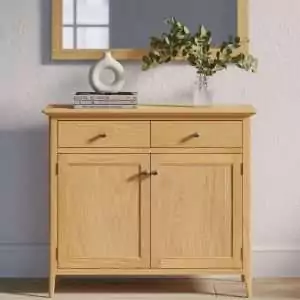
2. Daily & Weekly Care for Oak Furniture
Oak furniture responds best to light but regular care. We encourage customers to treat weekly dusting and quick checks as part of their normal cleaning routine, especially for high-use pieces like oak sideboards and oak dining tables.
Dusting and General Cleaning
Use a soft, lint-free cloth (microfibre works well) for dusting. Move with the grain of the wood to avoid fine scratches. For more stubborn marks or light grime, a mild soap solution is usually enough:
- Mix a few drops of mild dish soap into a bowl of warm water.
- Dip a clean cloth, wring it out so it’s just damp, not wet.
- Wipe the surface gently, following the grain.
- Dry immediately with another soft cloth.
Avoid bleach, ammonia-based sprays, or abrasive creams. These can break down finishes and leave the surface dull or patchy.
Dealing with Spills Quickly
Spills are inevitable, especially around an oak dining table or in living rooms with drinks near an oak TV stand. The key is speed:
- Blot (don’t rub) liquids with a dry cloth immediately.
- If needed, follow up with the mild soap solution described above.
- Always finish by drying the area thoroughly.
Standing water can seep into joints, cause swelling, and leave dark marks. Quick action massively reduces the risk of permanent damage.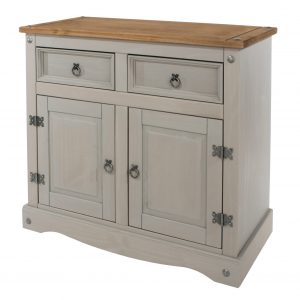
3. Long-Term Oak Furniture Maintenance: Polishing, Waxing & Protection
Beyond everyday dusting, oak benefits from occasional polishing or waxing. This helps maintain the finish, adds a light protective layer, and keeps the wood’s colour richer for longer.
Polishing and Waxing Oak Furniture
For most UK households, polishing every few months is enough for living room and bedroom pieces. We recommend:
- Choosing a polish or wax clearly designed for use on real wood or oak.
- Testing on a hidden area first to check colour and sheen.
- Applying thinly with a soft cloth in the direction of the grain.
- Buffing gently once dry to achieve an even finish.
Avoid building up thick layers of wax. Too much can leave a sticky surface that actually attracts dust and fingerprints.
Protecting from Heat and Sunlight
Heat and sunlight are two of the most common causes of premature ageing in oak. In UK homes, radiators, log burners, and bright south-facing windows are the main areas to watch. Simple steps that work:
- Keep oak furniture at least a few inches away from radiators and direct heat sources.
- Use curtains or blinds in very bright rooms to reduce midday sun on oak sideboards and dining tables.
- Rotate decorative items (lamps, vases) occasionally to avoid patches of uneven fading.
4. Maintaining Oak Sideboards in UK Living and Dining Rooms
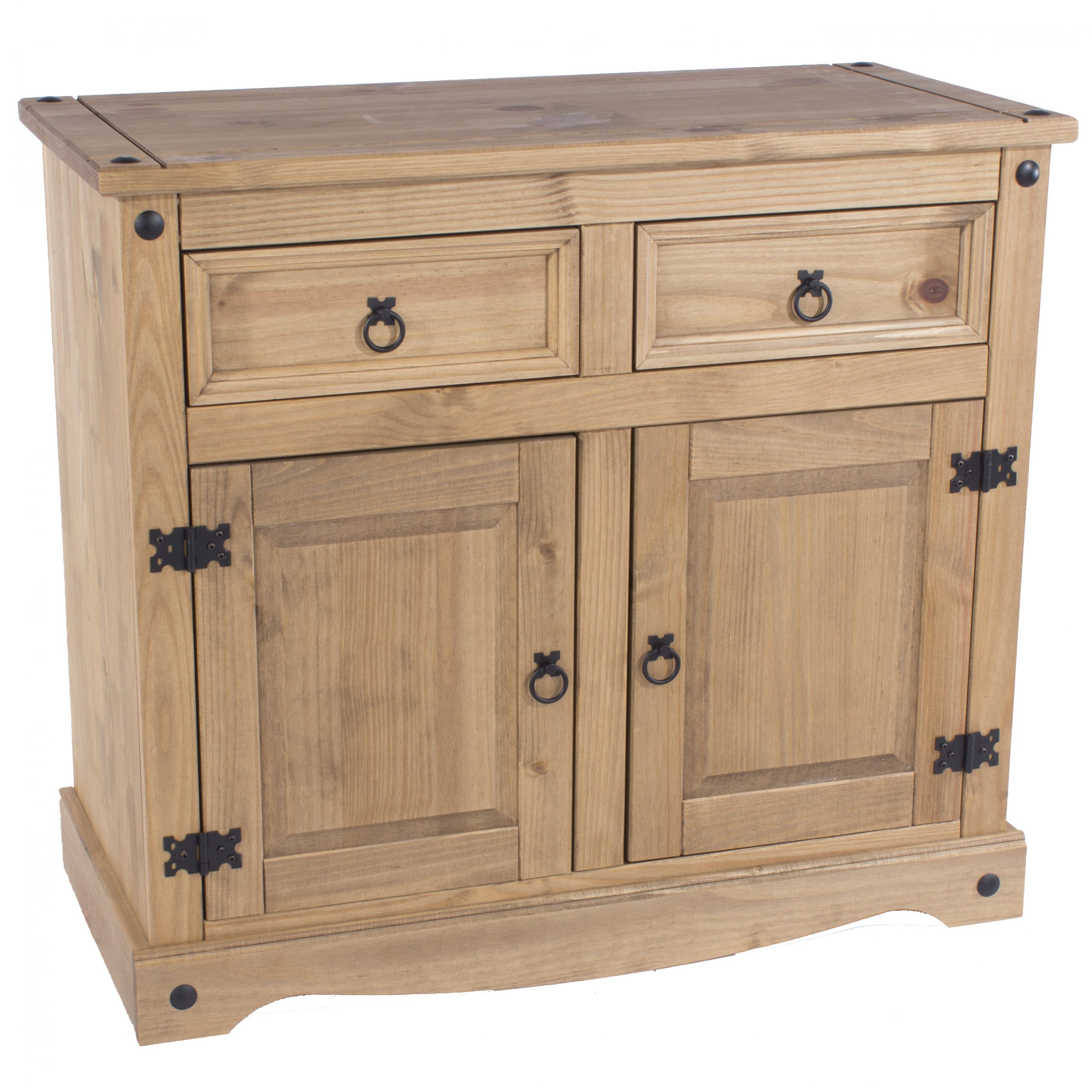
Oak sideboards work hard in UK homes. They handle decorations on top, crockery and glassware inside, and often sit in bright rooms or next to radiators. Proper care keeps doors closing smoothly and surfaces looking even.
Cleaning and Protecting Oak Sideboards
For an oak sideboard, we focus on three core habits:
- Dust weekly to stop grit scratching the top and shelves.
- Use coasters and placemats under vases, plant pots, and drinks, especially in dining spaces.
- Check handles and hinges every few months and gently tighten if needed, to keep doors aligned.
If the sideboard sits near a window, watch for one side becoming lighter than the other. Rotating decorative items and using blinds at peak times help keep colour even.
Budget Examples & What to Expect
On our sideboard care pages, we reference a few price points to give a sense of scale:
| Example Item | Typical Use | Example Price |
|---|---|---|
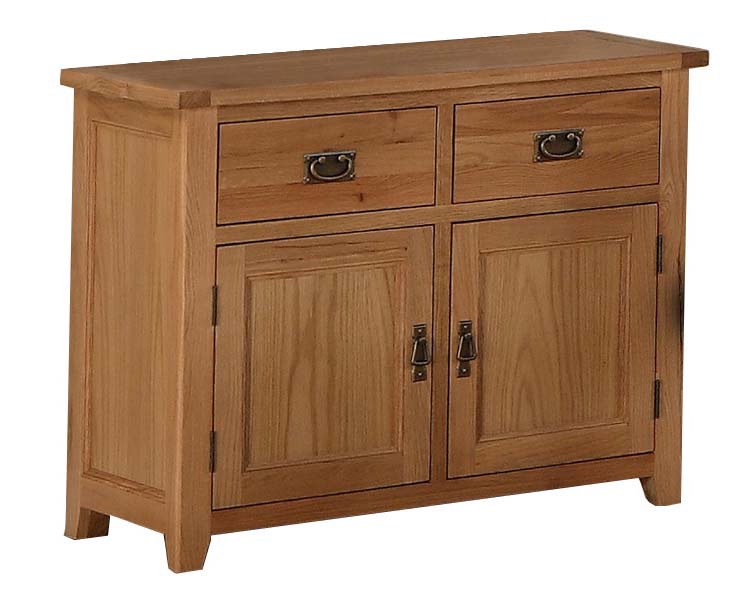
| Compact sideboard with 2 doors | Small dining room or hallway storage | £150–£155 (indicative from similar sized units) |
| Larger oak sideboard | Family dining room, more crockery storage | Usually higher depending on size and finish |
Treat a sideboard as a long-term purchase. With simple maintenance, it should easily outlast several sets of dining chairs or soft furnishings.

5. Caring for Your Oak Dining Table: Everyday Use and Special Occasions
An oak dining table usually sees more spills, heat, and knocks than any other piece of oak furniture in the home. We advise customers to treat it like a working surface but protect it as if it were a wooden worktop.
Daily Habits for Oak Dining Tables
To keep an oak dining table looking good:
- Use placemats under plates and bowls at every meal.
- Always use heat-resistant mats under hot pans, trays, and teapots.
- Wipe crumbs and spills promptly with a slightly damp cloth, then dry.
- Discourage children from pressing ballpoint pens directly on the surface; use pads or mats when doing homework or crafts.
For sticky marks (sauce, jam, grease), use warm soapy water with a well-wrung cloth and dry immediately afterward.
Special Occasion Protection
For bigger gatherings or parties, consider:
- A full tablecloth with a soft underlay to protect against dropped cutlery and knocks.
- Extra coasters for guests, especially near the edges of the table.
- Checking the table after the event for any spills you may have missed, particularly red wine, curry, or acidic foods.
If your table has an oil or wax finish, light re-oiling every year or two (depending on use) can refresh the surface and help resist marks.

6. Looking After Oak Bedroom Furniture
Oak bedroom furniture, including beds, wardrobes, chests, and bedside tables, usually sees gentler use than living or dining room pieces. That makes the bedroom a good place to enjoy oak with relatively low effort.
Oak Beds, Wardrobes and Chests
Key care points for oak bedroom furniture:
- Dusting: Once a week is usually enough for headboards, wardrobe tops, and chest surfaces.
- Humidity control: Avoid placing large oak wardrobes directly against damp external walls where possible.
- Drawer care: Keep drawer runners clean and free of grit; if they feel tight, check for overfilling before assuming there’s a wood issue.
For an oak rustic bed, wiping the frame occasionally with a soft cloth is usually all that’s needed.
Protecting Oak Bedside Tables
Bedside tables are more exposed to water rings from glasses and mugs. Practical steps:
- Use coasters under mugs and glasses, even with a mat or runner.
- Keep oils, perfumes, and creams on a tray to catch spills.
- Clean small spills straight away and dry thoroughly.
Over time, this prevents patchy rings and keeps the surface finish even.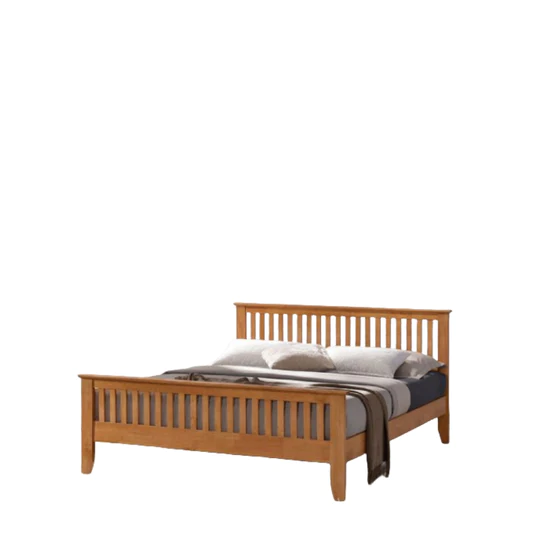
7. Oak TV Stands and Living Room Units: Heat, Cables and Screens
Oak TV stands and media units live in one of the warmest, dustiest areas of the home: around electronics, radiators, and cable nests. Good maintenance keeps both your TV and your oak furniture safer.
Caring for Oak TV Stands
For a standard oak tv stand or a larger unit:
- Dust around and behind the TV weekly, including shelves and cable areas.
- Leave space around electronic devices so heat can escape instead of building up against the wood.
- Avoid blocking ventilation slots with DVDs, routers, or storage baskets.
For example, an oak TV unit suitable for up to 50″ TVs (around £132) offers practical storage but still needs regular dusting and care around cables.
Corner and Large Oak TV Units
Corner units and large straight units, such as those suitable for 60″–85″ TVs, need similar care but often sit closer to walls or in bright living spaces:
- Check that the back isn’t tight against the wall to allow airflow.
- Use felt pads under the unit if it sits on oak or other wood flooring to prevent scratches when moved.
- Wipe fingerprints or smudges regularly from doors and handles with a soft, dry cloth.

8. Oak Floors and Stairs: Maintenance Routines That Work in UK Homes
Although this guide focuses mainly on oak furniture, many customers also have oak floors and stair parts. The core maintenance ideas are similar: control moisture, use gentle cleaners, and plan periodic protective treatments.
Cleaning Oak Floors and Stair Treads
For oak floors and stairs:
- Sweep or vacuum with a soft brush attachment at least weekly, more if you have pets.
- Use a damp (not wet) mop with a wood-safe cleaner; avoid soaking the floor.
- Place mats at entrances to catch grit that could scratch the surface.
Where floors have an oil or hardwax finish, re-oiling on a planned schedule helps maintain protection. High-traffic areas like hallways and living rooms need more frequent attention than spare bedrooms.
Protecting Oak Staircases
With a large proportion of UK homes using timber stairs, protecting edges and treads is important:
- Use stair runners or treads in busy households to reduce wear on the front edge of steps.
- Clean spills on stairs immediately to avoid slipping and staining.
- Check handrails and newel posts occasionally for loose fixings or small movement and address early.
The aim is to preserve both safety and appearance over the long term.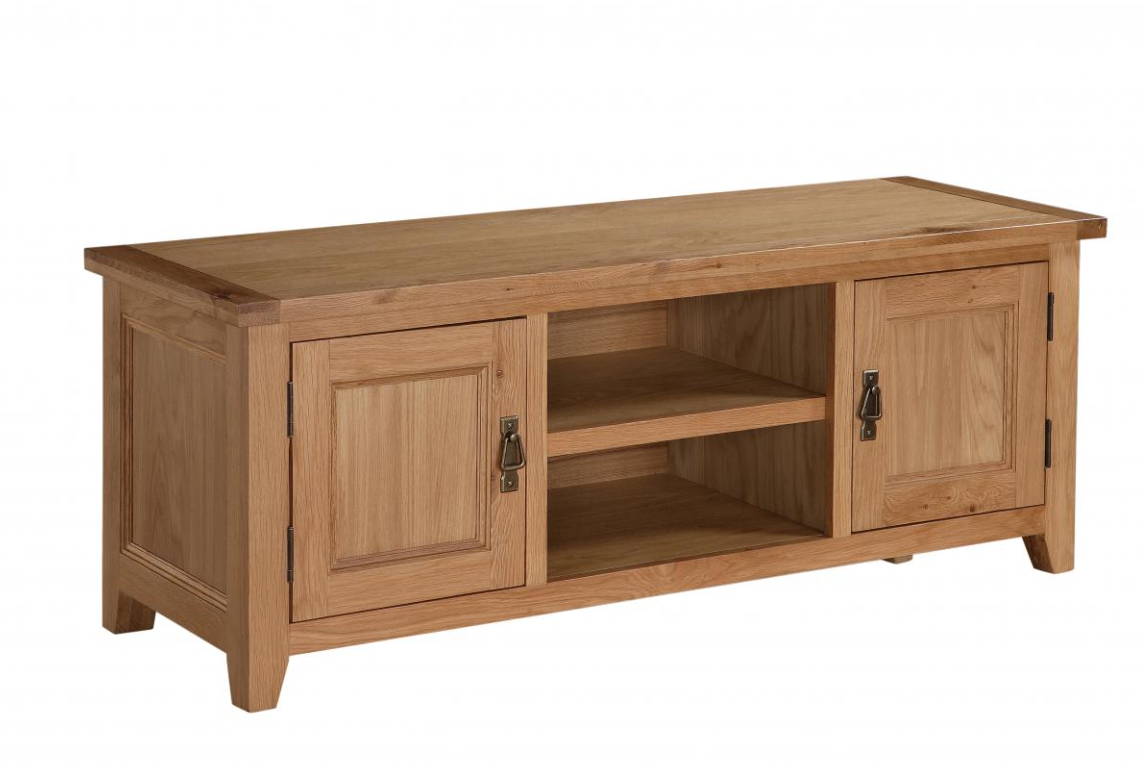
9. Spot Repairs and When to Consider Professional Refinishing
Even with careful maintenance, everyday life can leave the occasional scratch, ring mark, or dent in oak furniture. Many of these can be improved at home, but some situations call for professional help.
Minor Marks and Scratches
For small surface marks:
- Try a good-quality wood-colour repair pen in a matching shade for light scratches.
- For white heat rings on waxed or oiled surfaces, sometimes gentle rubbing with a slightly damp cloth and a tiny amount of mild soap can reduce visibility, followed by a light re-waxing.
- Always test any method on a hidden area first.
Avoid sanding or aggressively scrubbing a local area in isolation, as this can leave a visible dull patch.
When to Call a Professional
Consider professional refinishing if:
- The finish is worn through across a large area of an oak dining table or sideboard.
- Deep water damage has caused swelling, cracking, or dark staining.
- You see structural movement, such as joints opening or large splits.
A professional can strip, sand, and refinish oak evenly, restoring the appearance while preserving as much original timber as possible.
10. Choosing Durable Oak Furniture for Easier Maintenance
Good maintenance starts with good design and construction. When we design and select oak furniture, we look for features that make care easier over the long term.
What to Look For in Oak Furniture
Features that help:
- Solid or high-quality oak veneer tops with a protective finish.
- Sturdy joints (dovetail drawers, solid frames) that can cope with everyday use.
- Thoughtful design such as cable management in oak TV stands or adjustable shelves in oak sideboards.
Pieces like the Forester oak corner TV unit or fully assembled hutches demonstrate how solid construction supports long service life when paired with regular care.
Balancing Budget and Longevity
Prices vary by size, complexity, and finish:
| Type of Oak Item | Example Use | Indicative Pricing from Examples |
|---|---|---|
| Compact TV Unit | Living room TV up to 50″ | Around £132 for solid oak examples |
| Larger TV Units | 60″+ TVs, more storage | From around £210–£255 in example ranges |
| Rustic Oak Side Tables / Sideboard-Style | Living room storage and display | Around £315 in example products |
Spending a little more on solid construction at the outset usually means you only need to invest time in maintenance rather than paying for replacements later.
11. Common Mistakes to Avoid When Maintaining Oak
We see the same avoidable issues in many UK homes. Avoiding these will keep your oak looking better for longer with very little extra effort.
Top Maintenance Mistakes
- Using the wrong cleaners: Harsh chemicals or abrasive creams can strip or scratch the finish.
- Leaving spills to dry naturally: This increases the risk of stains and warping.
- Placing oak directly over heat sources: Such as right above a radiator or very close to a wood burner.
- Ignoring sunlight: Allowing strong sun on one part of a sideboard or table can cause uneven fading.
- Dragging heavy items: Dragging vases, TVs, or ornaments instead of lifting them can scratch the surface.
Simple Fixes and Better Habits
Small changes go a long way:
- Keep a pack of coasters near every oak table and sideboard.
- Use felt pads under lamps, speakers, and decorative items.
- Include oak dusting and a quick check of spills and rings in your regular cleaning routine.
These habits cost very little but can preserve both the look and value of your oak furniture.
Conclusion
Maintaining oak in UK homes is less about special products and more about consistent, sensible habits. Dust regularly, clean gently, protect against heat and moisture, and pay attention to sunlight and usage patterns. Whether you have an oak dining table that hosts family meals, an oak TV stand in a busy living room, or quiet oak bedroom furniture, the same principles apply. We design and select our oak furniture ranges with this real-world use in mind. With a little routine care, your oak pieces should stay sturdy, attractive, and practical for many years, giving you both the durability and the character that make oak so popular in UK homes.