
The Challenge of Small UK Homes
British homes, particularly Victorian terraces and modern apartments, often feature notoriously narrow hallways and compact bedrooms. These spaces present a genuine storage challenge that many homeowners struggle to overcome. Rather than viewing these constraints as limitations, forward-thinking interior designers and furniture specialists now recognise them as opportunities to innovate and maximise every cubic inch of available space. The solution lies in embracing vertical design principles that transform unused wall space into functional storage zones.
When you think about typical narrow hallways and bedrooms, you’re likely imagining wasted potential above eye level. Most homeowners focus on floor-based furniture, inadvertently leaving the most valuable real estate—your walls—completely underutilised. This article explores how strategic vertical storage solutions can revolutionise these challenging spaces, offering both aesthetic appeal and practical functionality that genuinely improves daily living.
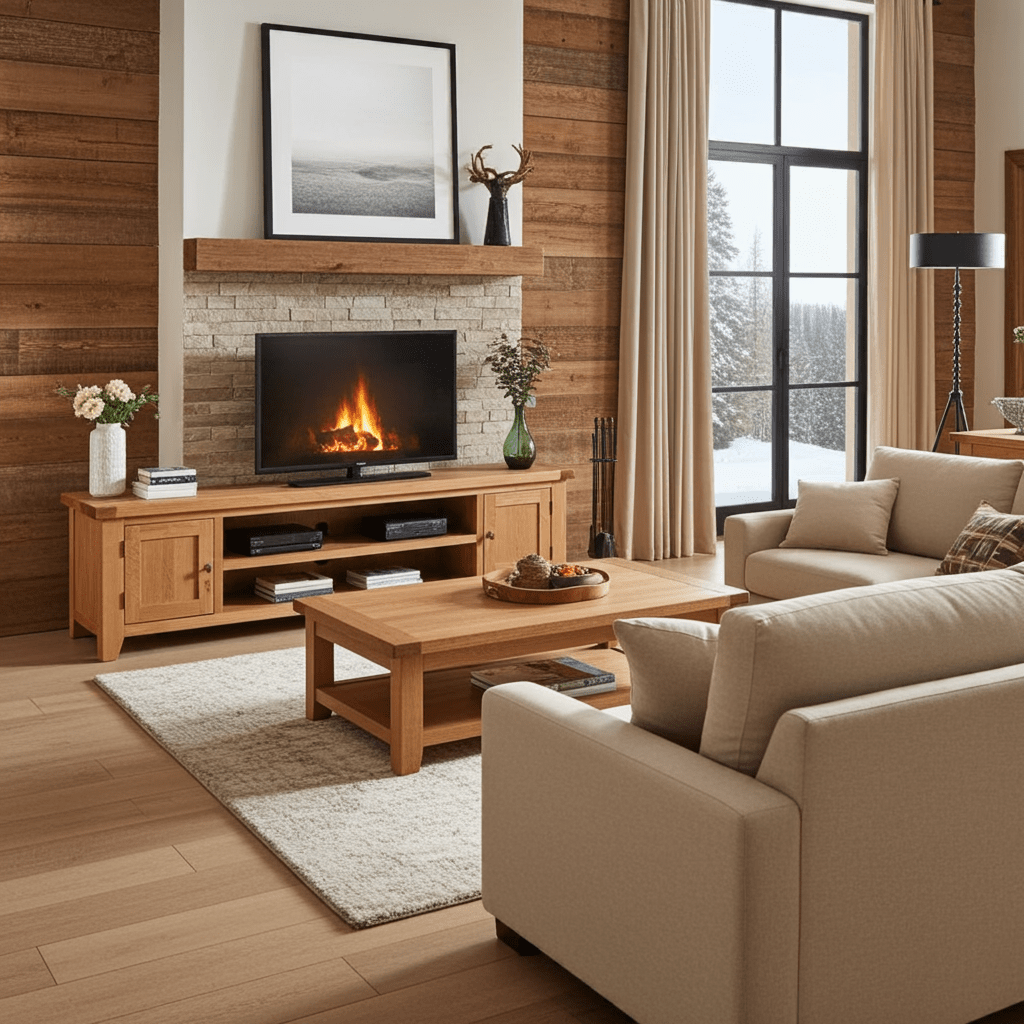
Why Vertical Storage Matters in Narrow Spaces
The mathematics of space optimisation is straightforward. A room with a footprint of 2 metres by 4 metres has approximately 8 square metres of floor space, but roughly 60 square metres of wall surface when you include all four walls and the ceiling. Yet most people focus on consuming valuable floor space with traditional furniture arrangements. This fundamental misunderstanding of spatial geometry is precisely why so many narrow spaces feel claustrophobic and cluttered.
Vertical storage fundamentally changes this equation. By moving storage upward, you preserve sightlines and maintain the psychological openness that makes spaces feel larger. In hallways particularly, where you’re moving through rather than lingering, this principle becomes critical. A narrow hallway lined with tall storage units that draw the eye upward will feel more spacious than one cluttered with low, horizontal furniture pushing the walls inward.
The practical benefits extend beyond psychology. Vertical storage solutions accommodate far more items with significantly less floor footprint. A tall, narrow chest of drawers occupies roughly the same floor space as a small side table but provides substantially more actual storage capacity. This efficiency is essential when every square metre must earn its place in your home.
Understanding Space Constraints in UK Properties
UK homes tend to have specific dimensional challenges. The typical hallway measures between 1 metre and 1.2 metres in width, while bedroom proportions in Victorian properties often create awkward rectangular spaces. These dimensions demand furniture specifically engineered for tight quarters. Standard furniture—designed for the average home—frequently frustrates narrow space owners, requiring creative compromises or expensive bespoke solutions.
Modern manufacturers have recognised this distinctly British problem, developing furniture ranges specifically calibrated to UK property dimensions. These specialist pieces respect architectural realities while maintaining aesthetic integrity. Understanding your actual measurements—wall height, width, available depth, and architectural features like doors and windows—is the essential first step before selecting vertical storage solutions.
The Psychology of Vertical Design
Humans instinctively perceive height as spaciousness. Rooms with high ceilings feel more open and airy regardless of floor dimensions. Vertical storage intentionally leverages this psychological principle. When furniture draws the eye upward, the room’s proportions feel expanded. Conversely, horizontal, sprawling furniture emphasises floor constraints and makes spaces feel compressed.
Colour and material choices amplify this effect. Light-coloured vertical storage, often in natural oak or painted finishes, appears more visually weightless than dark, heavy-looking pieces. The eye literally travels less distance to process light, streamlined forms, creating an impression of greater openness. This isn’t mere decoration—it’s applied psychology that transforms how you experience your space daily.
Narrow Chest Solutions: Rethinking Bedroom Storage
Traditional bedroom chests of drawers, designed for spacious master suites, often prove unwieldy in narrow bedrooms. The solution lies in purpose-built narrow chests, typically 30-35cm in depth. These slim proportions still accommodate standard folded clothing while preserving precious floor space. Yet many homeowners dismiss such pieces, assuming reduced depth means reduced capacity.
This assumption misses crucial nuance. A 35cm-depth chest with five or six generously proportioned drawers genuinely stores more items than the previous bedroom arrangement of stacked items on the floor or bursting wardrobes. The key is not total volume but usable organisation. Well-designed narrow chests include graduated drawer depths and internal compartments that maximise the actual storage of folded clothing, undergarments, and seasonal items.
Strategic placement amplifies their effectiveness. Rather than pushing a narrow chest against the room’s longest wall—which merely emphasises the room’s narrowness—position it to break up the space visually. A tall, narrow chest can anchor a bedroom corner, creating implied zones within the open space and paradoxically making the room feel less linear and more balanced.
Console Tables: The Hallway’s Unsung Hero
Hallways present peculiar storage challenges. These transitional spaces must facilitate movement while offering convenient drop-off zones for daily essentials. Traditional hallway tables consume too much depth, reducing clearance to uncomfortable levels. Console tables—specifically narrow designs measuring around 30 inches in width—solve this elegantly.
A well-styled console table serves multiple functions simultaneously. It provides surface space for keys, post, and daily necessities while potentially incorporating drawers or shelves for beneath-surface storage. Styled correctly, it becomes a welcoming design feature rather than a space-consuming afterthought. The addition of a mirror above extends the visual impression of space while serving practical purposes.
Console tables work particularly well in hallways because they can be mounted or positioned to allow unobstructed passage. Unlike traditional hallway furniture, which demands you squeeze past, proper console table dimensions ensure comfortable traffic flow whilst providing the functionality most hallways genuinely need.
Double-Width Drawers: Structural Efficiency
Furniture engineering presents fascinating trade-offs. Single drawers in narrow storage solutions often prove frustratingly small, while double-width drawers raise structural concerns in tight configurations. However, modern furniture design has solved this through engineering advances that seem counterintuitive at first glance.
Double-width drawers, which span greater depths or widths than traditional single drawers, actually distribute weight and stress more efficiently across the entire structure. From a purely mechanical perspective, one robust double-width drawer with proper engineering proves more stable than two narrow single drawers creating stress concentrations on internal dividers.
Practically, this matters significantly. Double-width drawers eliminate the awkward compromise of undersized storage, allowing you to store flat sheets, larger clothing items, and household essentials without creative folding contortions. For narrow bedroom storage specifically, this structural advantage delivers tangible daily benefit—no more frustrated attempts to close overstuffed narrow drawers or reorganising to create adequate space.
Wall-Mounted Alternatives: Maximising Vertical Real Estate
When floor space simply cannot accommodate additional furniture, wall-mounted solutions become essential. Floating shelves, wall-mounted cabinets, and hanging storage systems transform unused wall space into functional zones. In narrow bedrooms and hallways, wall-mounting fundamentally changes spatial dynamics.
The psychological advantage of wall-mounted storage cannot be overstated. Because these pieces don’t touch the floor, the room’s usable floor space remains visually intact. Your brain registers a wall-mounted cabinet differently than a floor-based chest, perceiving the latter as consuming precious space whilst the former enhances it. This distinction—though subtle visually—produces profound effects on how spacious the room feels.
Practically, wall-mounted storage proves particularly effective for storing items you access frequently but need organised. Bedside shelving for books, alarm clocks, and personal items eliminates the need for side tables. Hallway wall cabinets hide essential items—vacuum cleaners, seasonal decorations, utility items—removing floor clutter entirely.
Wardrobe Optimisation in Narrow Bedrooms
Even with excellent drawer storage, bedroom wardrobes remain essential for hanging clothing. In narrow bedrooms, however, standard wardrobes consume disproportionate floor space. The solution involves strategic wardrobe selection combined with optimised organisation.
Narrow wardrobes, typically 40-50cm deep, fit comfortably into tight spaces whilst accommodating essential hanging storage. Pair these with optimised internal configurations—multiple hanging rails, pull-out baskets, and shoe storage—and they provide genuine capacity despite their modest footprint. The key is accepting that narrow wardrobes shouldn’t house your entire wardrobe but rather your regularly worn items, with seasonal clothing stored elsewhere vertically.
Many designers recommend combining narrow wardrobes with wall-mounted rails or hooks for frequently worn items, allowing you to access daily essentials quickly while maintaining organisation. This layered approach to bedroom storage—wardrobes for hanging items, drawers for folded storage, wall-mounted elements for accessories—optimises the entire space.
TV Units and Living Space Considerations
The rise of wall-mounted televisions has revolutionised living room storage. Traditional floor-standing TV units consume significant floor space in already-tight rooms. Wall-mounted solutions eliminate this entirely, transforming previously essential floor-based furniture into optional aesthetic choices.
For small living rooms and narrow hallways adjacent to living spaces, this distinction proves critical. Wall-mounted TV arrangements preserve floor space for genuine living purposes—seating, movement, entry and exit. The contrast with traditional configurations becomes stark: compare a corner with a space-consuming entertainment unit against the same corner freed entirely for purposeful use.
However, wall-mounting requires appropriate wall construction, professional installation, and integration with storage for associated items—set-top boxes, streaming devices, cables. Modern TV mounting solutions address these concerns through integrated cable management and supplementary wall shelving designed to appear visually cohesive with the mounted display.
Under-Stairs Storage: Reclaiming Forgotten Space
Many UK homes feature staircases in hallways, with substantial unused space beneath them. This awkward void represents an enormous storage opportunity routinely overlooked. Properly designed under-stairs storage—comprising custom drawers, sliding cabinets, or shelving—reclaims dozens of litres of storage capacity.
The challenge lies in accessing under-stairs space ergonomically. Purpose-built solutions feature sliding mechanisms, pull-out drawers, and hinged access designed around the space’s trapezoidal geometry. Rather than frustratingly cramming items into an inaccessible void, well-engineered under-stairs storage makes hidden space genuinely usable.
Vacuum cleaners, cleaning supplies, seasonal decorations, and utility items find permanent homes in under-stairs storage, removing them from precious bedroom and hallway floor space. This single intervention transforms many hallways from cluttered, chaotic transitions into streamlined passages.
Styling Vertical Storage: Function Meets Aesthetics
Effective storage doesn’t require compromising on aesthetics. In fact, vertical storage solutions offer opportunities to enhance room design whilst delivering functionality. The visual impact of your storage pieces significantly influences how spacious your room actually feels.
Material and finish choices matter enormously. Natural oak creates warmth and traditional appeal, whilst painted finishes in soft greys or whites provide contemporary minimalism. Choosing storage that coordinates with existing architectural features—door trim, skirtings, windows—creates visual cohesion rather than fragmented, chaotic appearance.
Styling shelf and cabinet tops with carefully selected items—perhaps a table lamp, a few chosen books, or tasteful decorative objects—transforms functional storage into design features. However, restraint proves crucial. Overcrowded styling appears cluttered rather than charming, undermining the spaciousness you’ve worked to create.
Measurement and Planning: The Essential Foundation
Before purchasing any vertical storage solution, meticulous measurement is non-negotiable. Wall heights, available widths, architectural obstacles (light switches, radiators, skirting boards), and door swing clearances must all factor into your decisions.
Many mistakes stem from estimating dimensions rather than measuring. A “narrow” hallway might be 1.1 metres wide, but that often includes skirting boards and architectural flourishes reducing actual furniture width to 1.05 metres. A centimetre or two in estimation frequently means purchases that simply don’t fit.
Professional advice can prove invaluable, particularly when dealing with unusual architectural features common in older UK properties. Specialist furniture retailers often provide measurement services or guides ensuring that your vertical storage solutions fit perfectly within your specific constraints.
Maximising Every Centimetre: Practical Tips
Several concrete strategies dramatically improve vertical storage effectiveness. First, utilise space above wardrobes and cupboards for rarely accessed storage using attractive storage boxes. Second, install floating shelves above radiators and other architectural features that prevent furniture placement. Third, consider corner solutions—L-shaped or diagonal units—that transform awkward corner spaces into functional zones.
Drawer organisers, shelf dividers, and internal storage solutions multiply the effective capacity of your furniture. A drawer designed for general clothing becomes substantially more organised and functional when outfitted with dividers for various garment categories.
Use mirrors strategically to create visual space expansion while serving practical purposes. A narrow bedroom gains apparent width with well-placed mirrors, whilst hallway mirrors provide necessary visual checks before exiting.
The Investment Perspective: Long-Term Value
Quality vertical storage represents genuine investment in your home’s functionality and value. Whilst bespoke solutions occasionally command premium pricing, they typically provide decades of reliable service, accommodating life changes and evolving storage needs.
Considering cost-per-use rather than absolute price shifts purchasing perspective. A high-quality narrow bedroom chest used daily for years provides substantially better value than cheaper alternatives requiring frequent replacement. Solid oak construction, reinforced drawer mechanisms, and thoughtful design justify slightly elevated prices through longevity.
Moreover, well-executed storage solutions genuinely improve daily quality of life. Organised, accessible storage reduces morning stress, prevents constant searching for misplaced items, and creates psychological calm in your personal spaces.
Conclusion: Embracing Vertical Design
The challenge of narrow UK hallways and bedrooms transforms into opportunity when you embrace vertical design principles. Rather than fighting spatial constraints, intelligent furniture selection works with your space’s inherent dimensions. Tall, narrow chests, console tables, wall-mounted solutions, and optimised wardrobe organisation collectively create functional, spacious-feeling rooms despite dimensional limitations.
Success requires three elements: understanding your specific spatial constraints through precise measurement, selecting furniture engineered for narrow dimensions, and styling solutions that enhance rather than compromise aesthetics. When executed thoughtfully, vertical storage doesn’t merely solve problems—it transforms how you live within and experience your space daily.
Your narrow hallway and bedroom can evolve from frustrating constraints into perfectly optimised spaces through deliberate application of vertical storage principles. The investment in understanding these concepts, measuring carefully, and selecting appropriate solutions pays dividends through improved functionality and genuine enhancement to your home’s livability.